
Ontario Dynamics designs and builds custom durability test rigs for automotive components and assemblies, systems built to apply repeated load, motion, and cycling until you know exactly how a part holds up over its real service life. Whether you’re validating a suspension component, a drivetrain assembly, or an interior mechanism, our automotive durability test systems are built around your part, your duty cycle, and your test specification, not a generic off-the-shelf rig.
Cyclic Load | Repeated Motion | Endurance | Rotational Wear | Functional Life | DAQ
Automotive durability testing exists to answer one question: will this part actually hold up? Manufacturers use it to identify wear, degradation, premature failures, and reliability issues long before a component ever ships in a vehicle, because finding a weak point on a test bench is a lot cheaper than finding it in the field.
Rather than measuring how well a part performs at a single moment, durability testing puts a component through the repeated real-world operation it’s expected to see across its lifespan, and tracks how it behaves as that operation adds up over time.

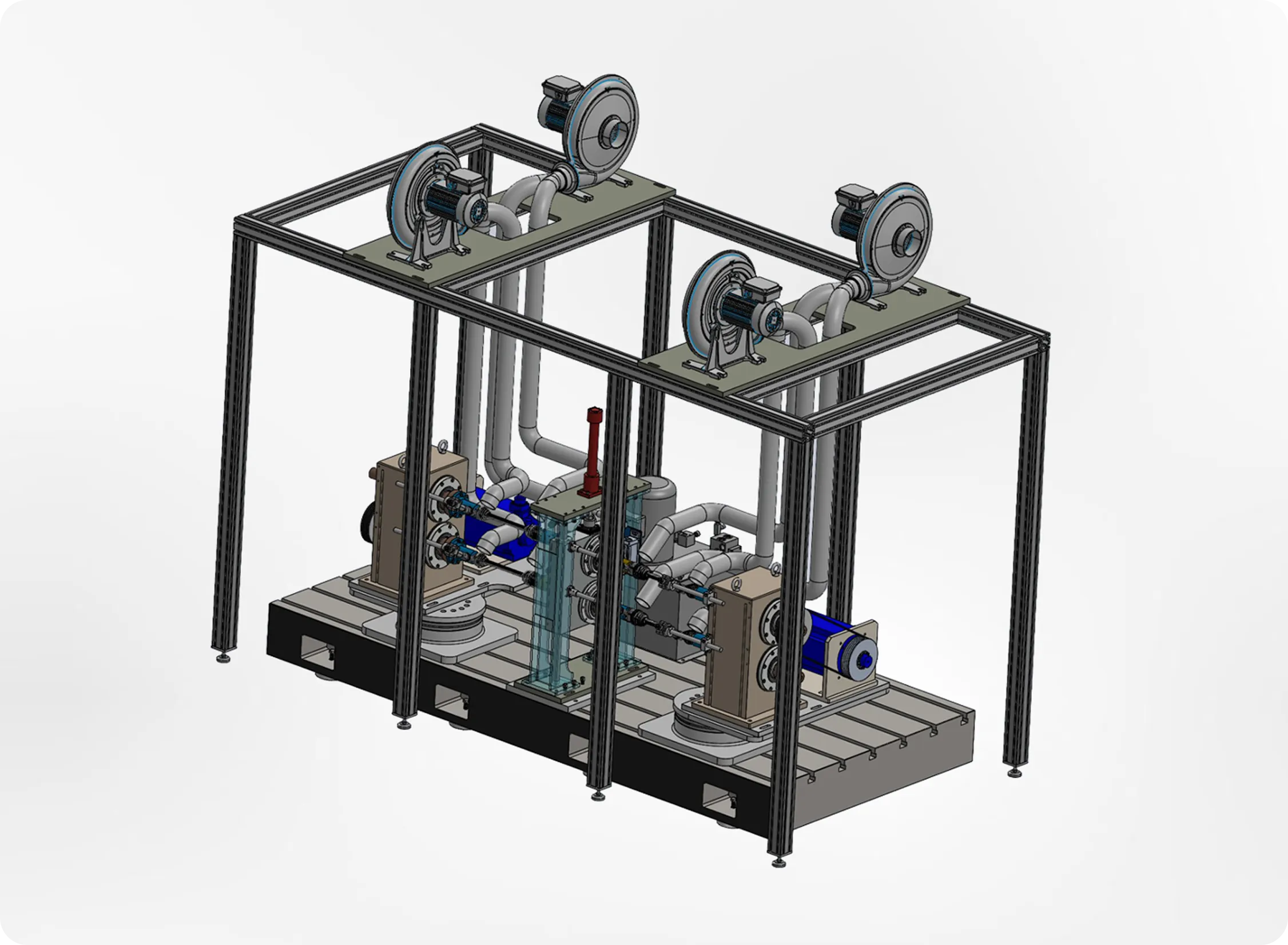
Repeated load and motion testing across suspension geometry and chassis-mounted parts.
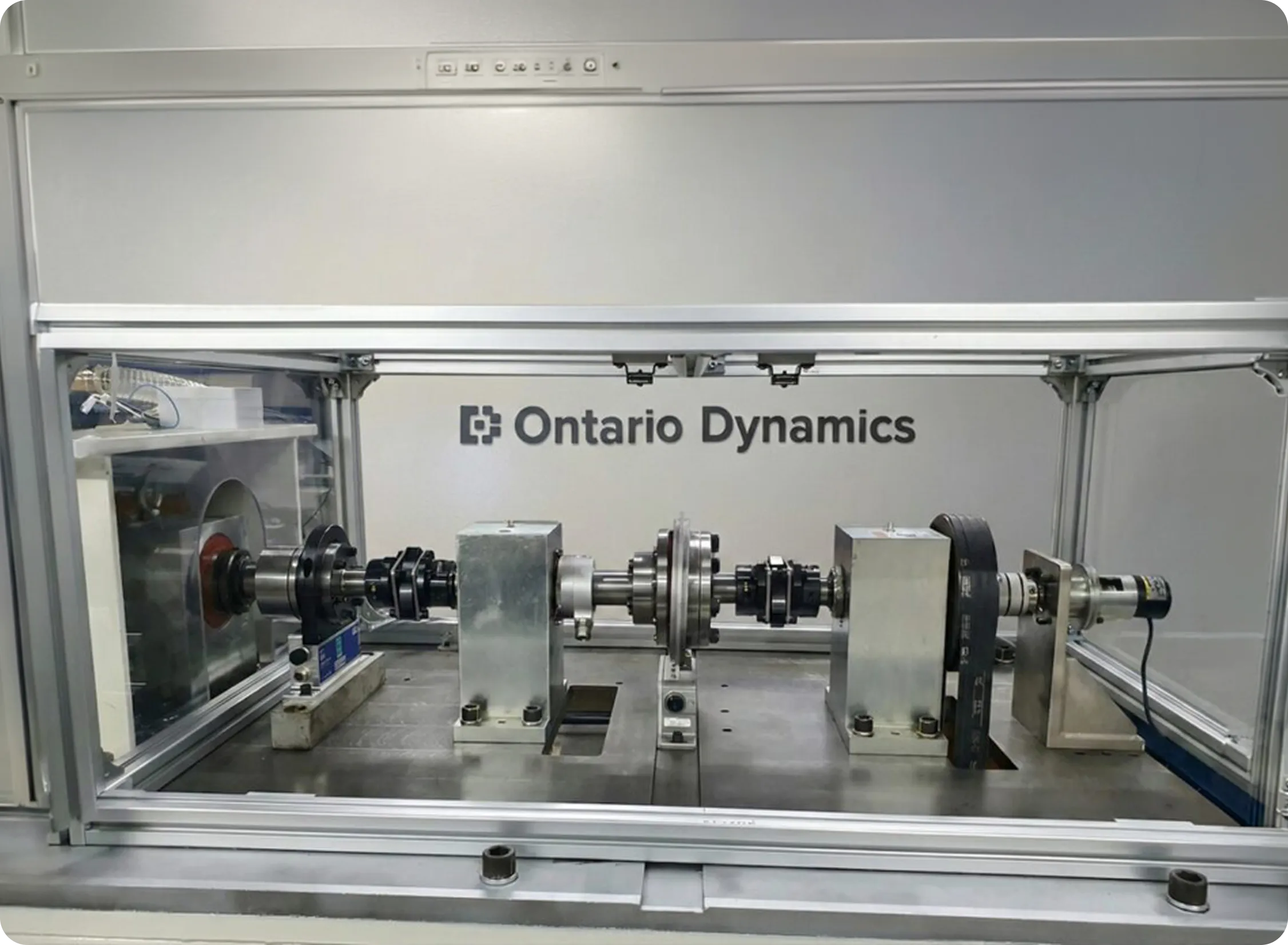
Endurance testing under real torque, speed, and load conditions.
Cycle testing to confirm consistent function across the expected operating life.
Repeated actuation testing for mechanisms that get used thousands of times over a vehicle’s life.
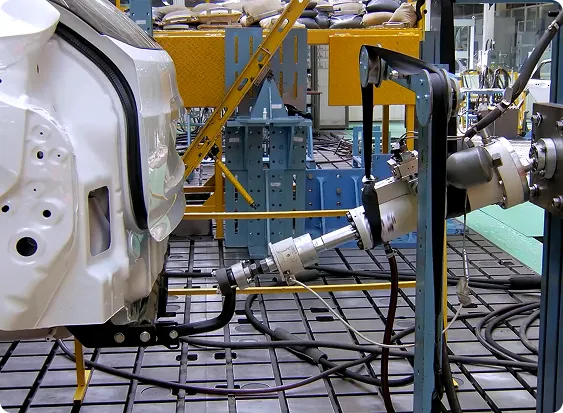
Load and vibration cycling to validate structural reliability.
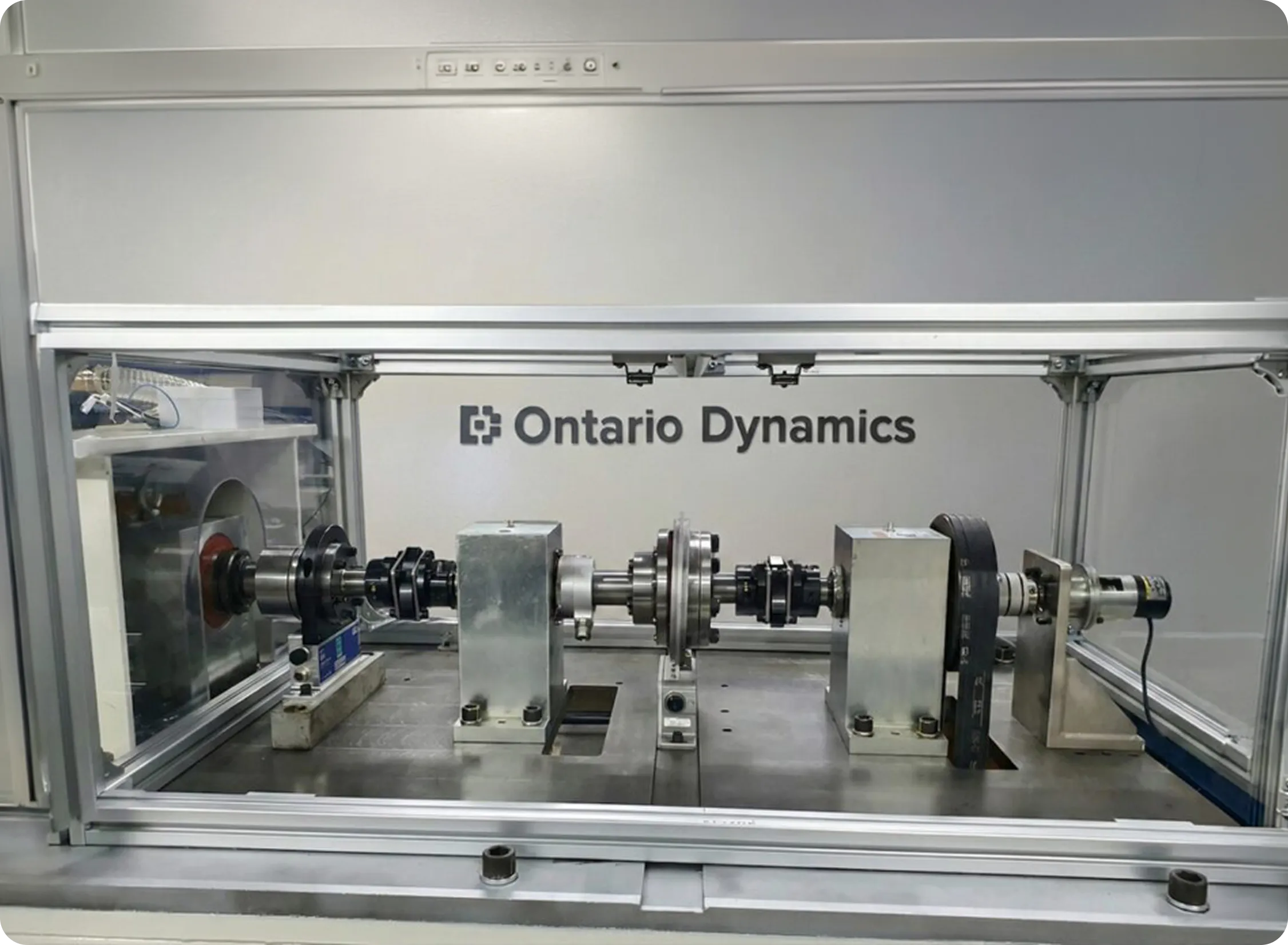
Durability validation for motors, actuators, and electromechanical assemblies specific to electrified platforms.

Apply repeated loading conditions to a component and track how it responds cycle after cycle.
Validate mechanisms and moving assemblies through the number of actuations they're expected to see in service.
Run rotating components, gears, shafts, motors, through sustained torque and speed conditions over an extended duration.
Apply and hold precise force or displacement conditions to understand exactly how a part behaves under controlled stress.
Confirm that a component keeps functioning correctly after extended operation, not just that it survives physically.
Compress years of expected service life into a shorter, controlled test window using representative load and cycle conditions.
A durability test is only as good as how closely it reflects real operating conditions, which is why we build every rig around the specifics of your duty cycle, not a generic test template. That includes:
If you already have a defined test specification from an OEM or internal standard, we build the rig to meet it directly. If you don’t, we help define one based on what your component actually needs to prove.
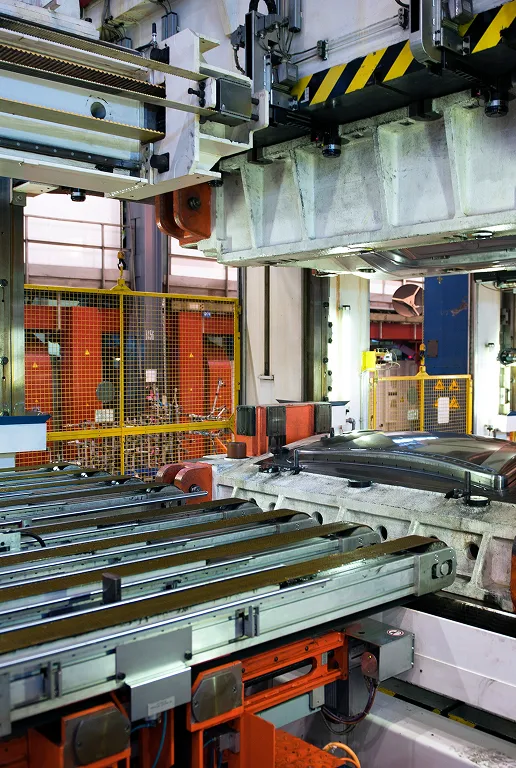
Every durability rig combines mechanical design, motion, sensing, and control into one working system
That last point matters more than it might seem, an unattended durability test running thousands of cycles needs to shut itself down cleanly if something goes wrong, rather than running through a failure undetected and damaging the rig or the part.
These two are related but answer different questions. Durability testing looks at how a component holds up functionally over its expected life. Fatigue testing looks specifically at when and how a material or structure fails under repeated stress. If structural failure analysis is what you’re after, our Fatigue Testing Systems page covers that in more detail.
Performance testing tells you whether a part meets spec right now. Durability testing tells you whether it will keep meeting spec after months or years of use. Most components need both, see our Performance Testing page if that’s the piece you’re missing.
Custom-built around your component
Automotive engineering experience
Mechanical + controls + instrumentation capability under one roof
Design-to-build support from concept through commissioning
Automated testing & DAQ built into every system
FAT / SAT and commissioning included
Toronto, Ontario engineering support
Find quick answers to the most common questions about our services, process, and support
It's a testing process used to determine how a component or assembly performs over its expected service life, applying repeated load, motion, or cycling to identify wear, degradation, or reliability issues before production.
Suspension and chassis components, powertrain and drivetrain parts, steering and braking systems, latches and hinges, mounts and structural assemblies, and EV or electromechanical components.
Durability testing evaluates overall service life and functional reliability under real-world operation. Fatigue testing focuses specifically on structural or material failure caused by repeated cyclic stress.
It depends entirely on the component and the service life it needs to demonstrate, this is typically defined by an OEM test specification or based on expected real-world usage over the product's lifespan.
It's a method of compressing years of expected real-world use into a shorter test window, using representative load and cycle conditions to predict long-term reliability faster.
Yes. PLC and HMI-driven controls handle automated cycling, data logging, and fault shutdown, which matters for tests that need to run unattended for extended periods.
Yes. If you have a defined OEM or internal test specification, we design the rig to meet that procedure directly rather than adapting a generic setup to fit.
Generally, we need CAD or drawings of the component, expected load range, required movement or stroke, cycle count, duty cycle details, and any existing test specification.


Services
Company