
From proof-of-concept to production-ready hardware expert CAD, GD&T, and DFM for performance, manufacturability, and scalable cost. At Ontario Dynamics, our product development services focus on turning early concepts into supplier-ready, production-grade mechanical systems. We work across feasibility, architecture, validation, and manufacturing readiness to ensure your hardware performs reliably in real-world conditions not just in CAD.
Product Design & Development is the process of transforming an idea into a functional, scalable, and market-ready product. It aligns user needs, business goals, and engineering feasibility to build products that actually work in the real world. Our services are structured to reduce redesign loops by addressing interfaces, tolerances, and manufacturability early. This structured approach keeps programs aligned from early definition through supplier-ready release.
A focused product development agency helps align architecture, packaging, and supplier readiness so builds are repeatable, not improvised. Clear interfaces and early packaging decisions reduce surprises during prototyping and supplier builds.
Concept & System Design:
Define product requirements, user needs, and overall system architecture (mechanical, electrical, embedded) with block diagrams and high-level specifications.
Mechanical & Industrial Design:
Create 3D CAD models of parts and assemblies; specify geometry and tolerances (GD&T), perform analysis (stress, kinematics), and refine form, ergonomics, and aesthetics.
Electronics & Firmware Architecture:
Outline circuit schematics, PCB layouts, sensor/actuator integration and embedded software structure to ensure hardware-software compatibility.
Materials & Component Strategy:
Select suitable materials, standard parts, and suppliers; develop an initial Bill of Materials that balances cost, performance, and manufacturability.

A focused product development agency helps align architecture, packaging, and supplier readiness so builds are repeatable, not improvised. Clear interfaces and early packaging decisions reduce surprises during prototyping and supplier builds.
Detailed Engineering & BOM:
We finalize production-ready drawings and BOM management strategies to balance unit cost with manufacturability.
Validation & Prototyping:
Create 3D CAD models of parts and assemblies; specify geometry and tolerances (GD&T), perform analysis (stress, kinematics), and refine form, ergonomics, and aesthetics.
Manufacturing Hand-off:
and quality documentation for scalable production.

We lead with engineering, not just aesthetics. That means every concept we design is grounded in physics, cost, and manufacturability, so it works the first time, in the real world. Working with a product development agency early helps lock critical interfaces and tolerances before tooling and supplier commitments.
Early decisions on materials, tolerances, and manufacturing processes prevent expensive changes later. Smart DFM means fewer surprises during quoting and tooling.
We catch technical risks before they become expensive — from tolerance stack-ups and heat dissipation to supplier constraints and compliance gaps.
Parallel workflows, fast iterations, and clear release documentation help you hit timelines with fewer rework cycles and smoother supplier handoff.

We move beyond “ideas” by conducting rigorous technical feasibility studies. This phase defines the hardware requirements and de-risks the project by identifying physical or regulatory constraints before capital is committed. Early feasibility reduces risk and prevents costly redesign later.

We translate the concept into a functional mechanical architecture. This involves defining key component interfaces, outlining initial 3D CAD layouts, and establishing the “physical logic” of the system. Clear interfaces and layouts make supplier handoff smoother.

Using advanced CAD and FEA (Finite Element Analysis), we develop detailed models optimized for stress, thermal management, and kinematics. Every part undergoes tolerance stack-up analysis to ensure assembly consistency.

Using advanced CAD and FEA (Finite Element Analysis), we develop detailed models optimized for stress, thermal management, and kinematics. Every part undergoes tolerance stack-up analysis to ensure assembly consistency.

Hardware must be durable. We conduct environmental, reliability, and safety testing to confirm the design meets all industry standards and internal quality benchmarks. Testing proves durability, reliability, and safety readiness.

We perform a deep-dive Design for Manufacturing (DFM) and Design for Assembly (DFA) review. This stage finalizes materials, tolerances, and the Bill of Materials (BOM) to ensure the product is ready for sourcing.DFM/DFA readiness improves quoting and sourcing accuracy.

We lead the New Product Introduction (NPI) process
by running a pilot production. This validates the
manufacturing jigs, fixtures, and processes. This
validates the manufacturing jigs, fixtures, and
processes, allowing us to solve assembly “gotchas”
before the full launch.

We perform a deep-dive Design for Manufacturing
(DFM) and Design for Assembly (DFA) review. This
stage finalizes materials, tolerances, and the Bill of
Materials (BOM) to ensure the product is ready for
sourcing.DFM/DFA readiness improves quoting and
sourcing accuracy.

Engineering doesn’t stop at launch. We monitor performance and user feedback to manage upgrades, maintenance strategies, and next-generation product iterations. Continuous improvement supports long-term product performance.

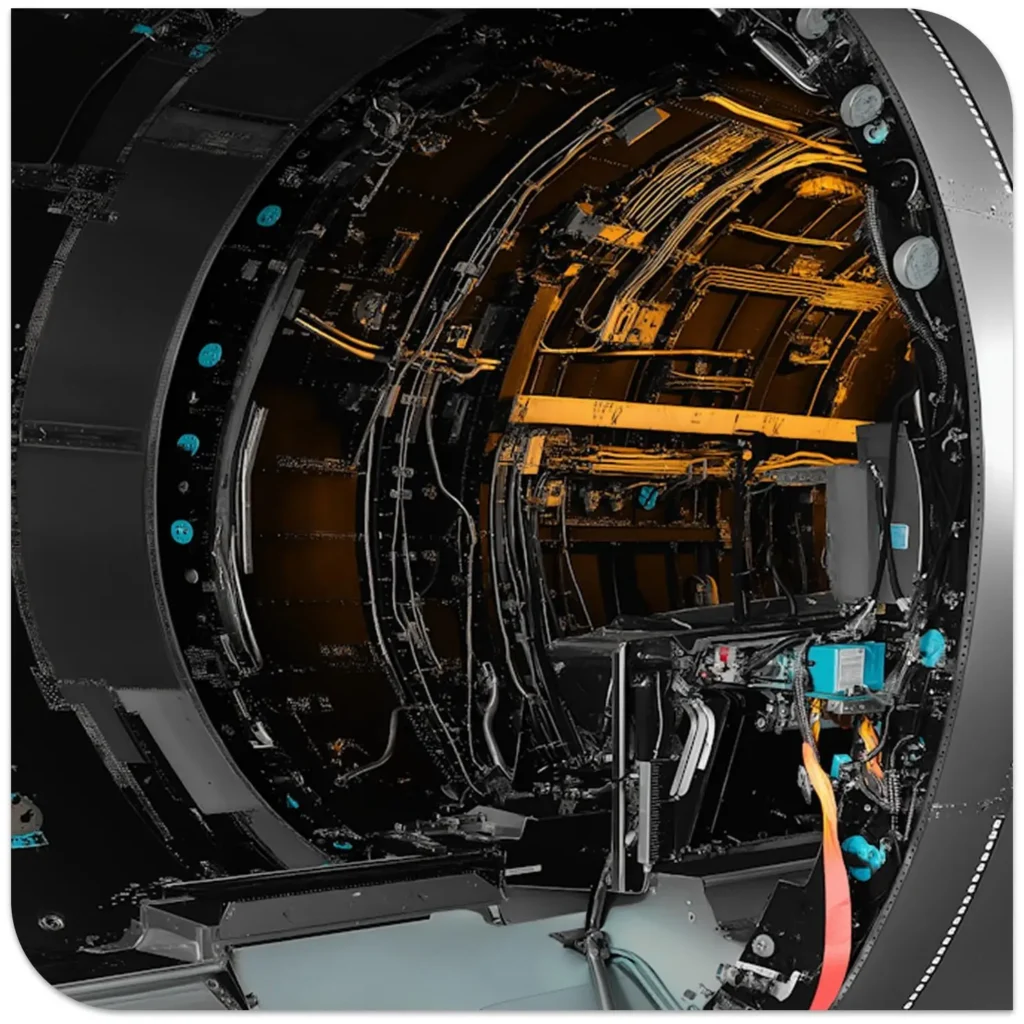
We supply testing solutions for energy equipment exposed to pressure, heat, rotation, and long operating cycles. Systems help validate seals, valves, motors, pumps, housings, and connected assemblies. Reliable testing improves uptime, product confidence, and readiness for demanding industrial and utility environments worldwide.
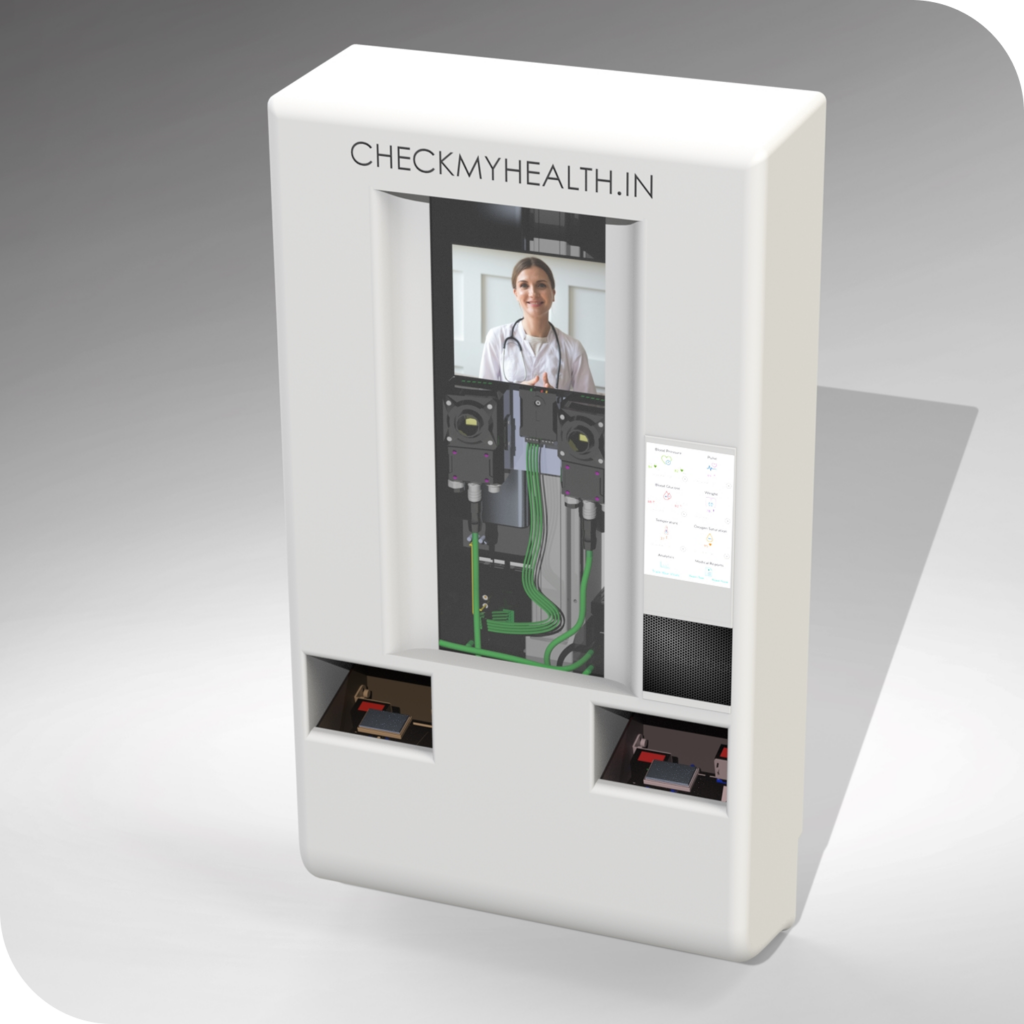
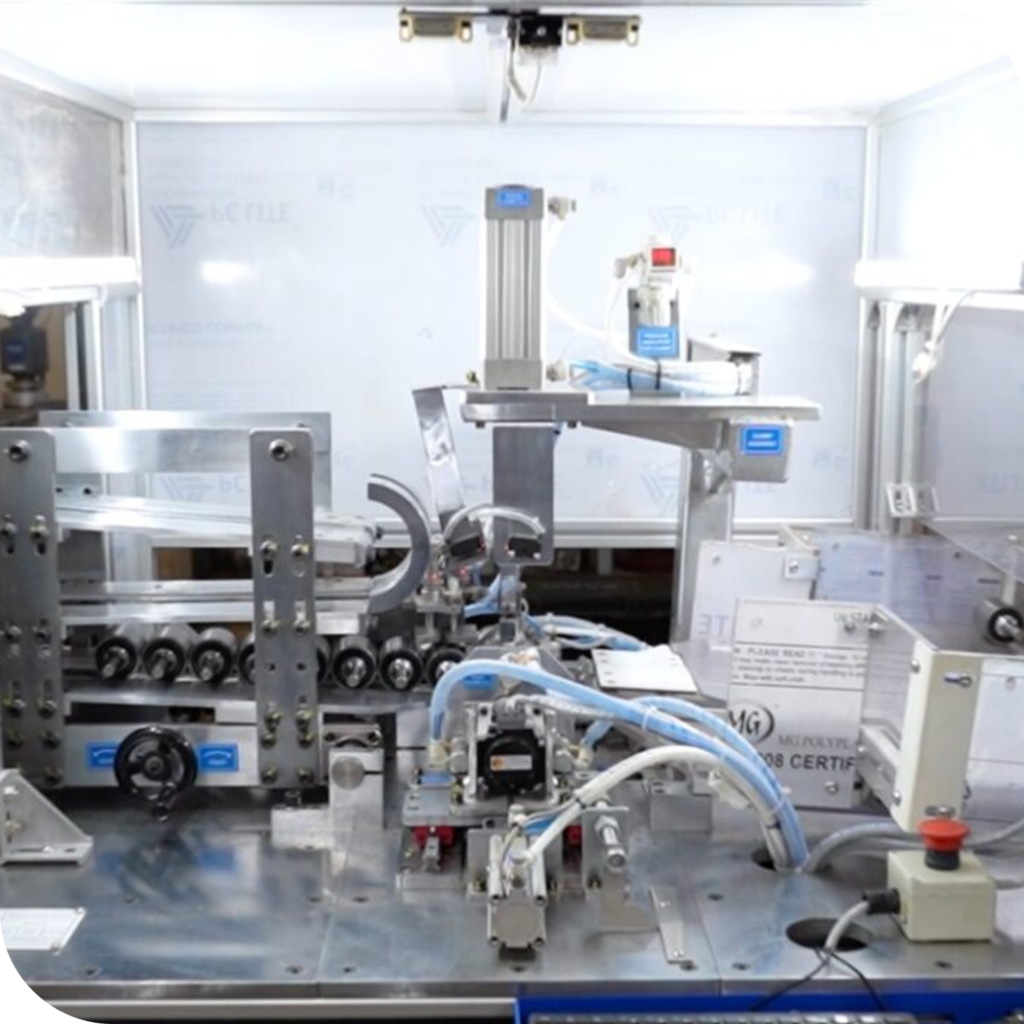
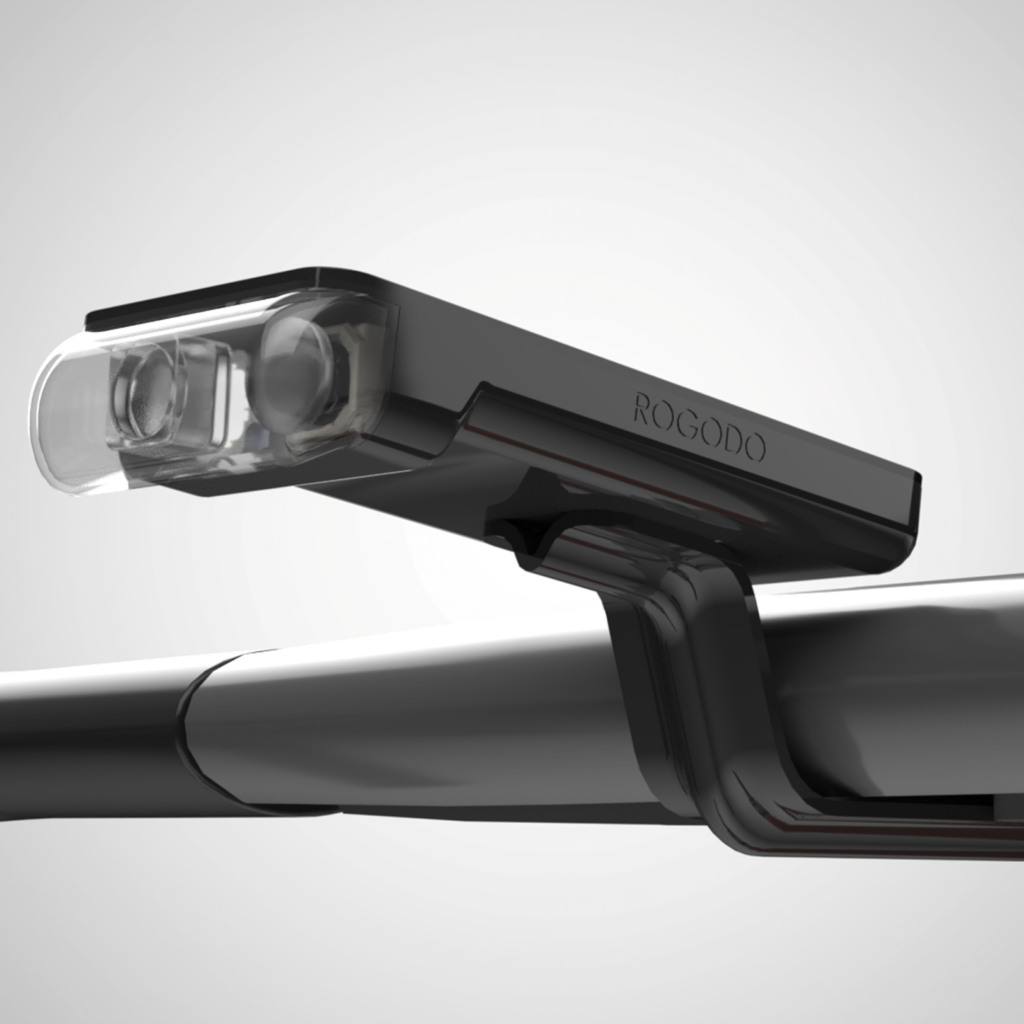
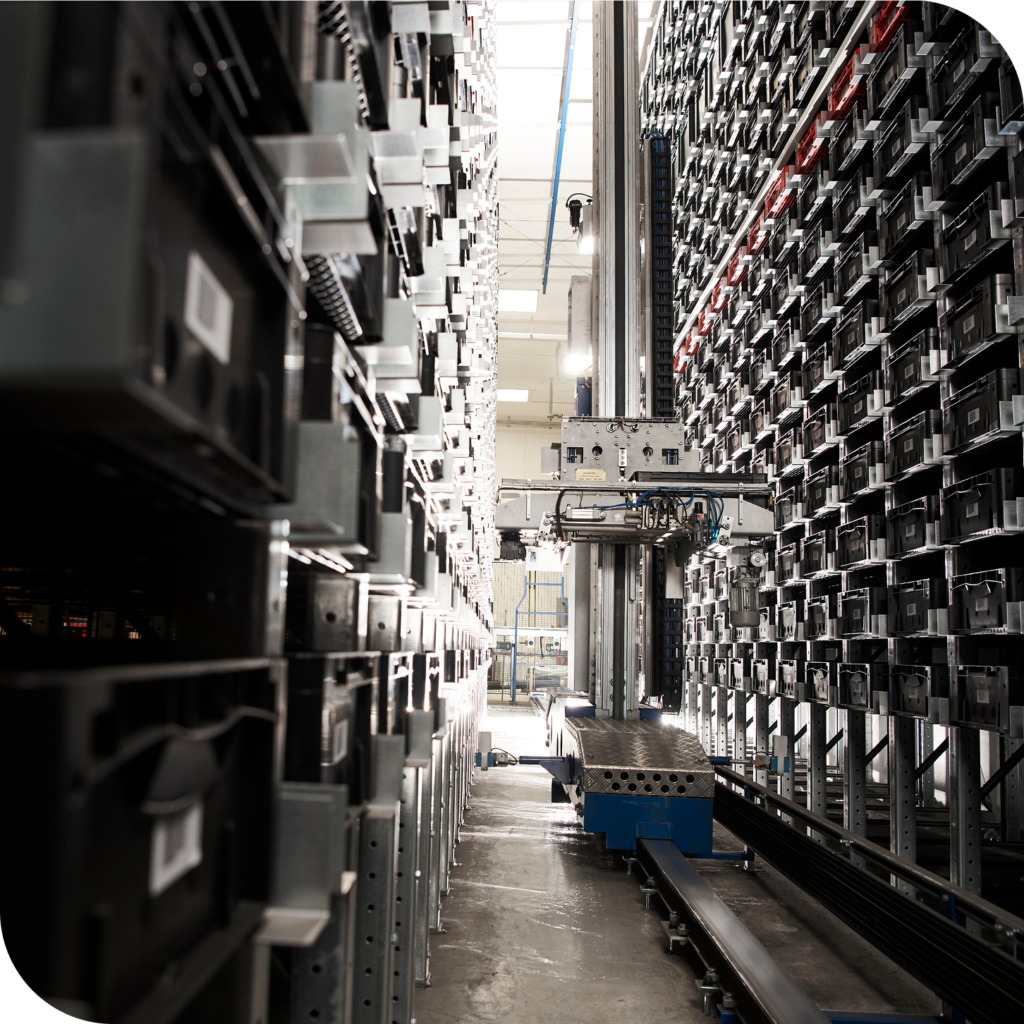

We surface mechanical uncertainty early through analysis, models, prototypes, and targeted checks. This supports better decisions before final drawings, fabrication, or production planning begins.
We surface mechanical uncertainty early through analysis, models, prototypes, and targeted checks. This supports better decisions before final drawings, fabrication, or production planning begins.
Some projects need answers quickly. A fast prototyping service helps your team review a design, test a part, or compare options without waiting for a full production cycle. Speed matters, but the prototype still needs to support a clear decision.
Strong documentation is a core part of high-quality new product development because suppliers build what’s defined, not what’s assumed. We back every design with analysis, precision prototyping, and DFM so it performs at scale, not just on paper. This approach also supports redesign and reverse engineering efforts when technology obsolescence requires modernisation of legacy hardware.
We go beyond basic modeling to create high-fidelity digital twins. By automating precision drawings and Bill of Materials (BOM) generation, we ensure that every manufacturing requirement and dimension is captured with total accuracy for a seamless hand-off to production.
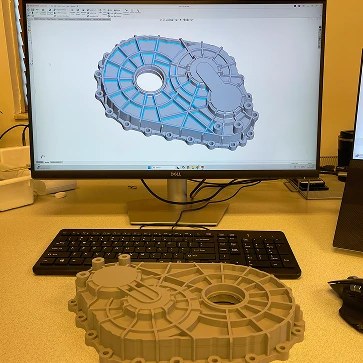
We use rigorous Finite Element Analysis (FEA) and Computational Fluid Dynamics (CFD) to predict how hardware will behave under stress, heat, and fluid flow. This virtual testing identifies design issues before a single part is machined, significantly reducing development costs.

We transition from virtual models to physical reality using CNC and 3D printing. Through FMEA (Failure Mode and Effects Analysis) and rigorous shock, drop, and thermal testing, we verify functional reliability and eliminate technical risk early in the cycle.

We apply strict GD&T, tolerance stack-up analysis, and Design for Manufacturing (DFM) principles. By optimizing for efficient assembly and sourcing, we ensure your product is fully compliant with ISO and ASME standards and ready for global scale.

Ontario Dynamics Is An Engineering Partner For Physical Product Design And Development-From Early Requirements And Concept CAD To Supplier-Ready Drawings, BOMs, And Prototypes. With 15+ Years In Automotive And Industrial Engineering, We Help Teams Turn Ideas Into Manufacturable, Testable Products, And Also Build Custom Validation Rigs And Special-Purpose Machines (SPM) When The Project Requires Real-World Verification.
We Focus On Engineering Release Quality, Not Just Visuals. Designs Are Developed With GD&T, Tolerance Stack-Ups, DFM/DFA, And FEA (Where Required) To Reduce Rework During Prototyping, Sourcing, And First Builds. Whether You’re Building A Precision Component Or An Automated System, We Deliver Clear Documentation And Production-Aware Decisions So Suppliers Can Quote, Build, And Scale With Confidence.
If you need a reliable product development consultant, we provide clear ownership of CAD, drawings, BOMs, and test documentation so work stays traceable as revisions happen.
15+ years delivering production-grade mechanical and electromechanical designs with build-ready drawings, tolerances, and manufacturability decisions.
A vetted vendor network across machining, sheet metal, plastics, electronics, wiring, and assembly to speed quoting, prototyping, and low-volume builds.
NDA-first workflows with controlled file sharing, revision control, and clear ownership of CAD, drawings, BOMs, and test documentation.
We deliver controlled CAD, drawings, GD&T (where required), BOM structure, and critical notes so suppliers can quote and build without guesswork.
We define mating surfaces, datums, stack-ups, fits, and assembly intent early to avoid “it doesn’t fit” surprises during builds.
Load paths, fatigue-critical features, thermal constraints, and failure risks are checked through analysis and test thinking not assumptions.
Prototypes are planned to answer specific questions (fit, function, durability, assembly time). Every build produces a clear decision: change, keep, or release.
We support quoting, vendor Q&A, drawing clarifications, and revision control so the first build matches design intent and revisions stay traceable.







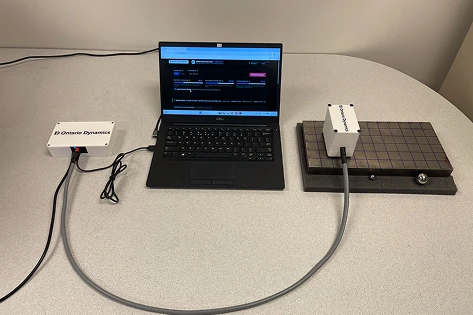
A purpose-built system for capturing, analysing, and comparing mechanical impact events using high-speed data acquisition.
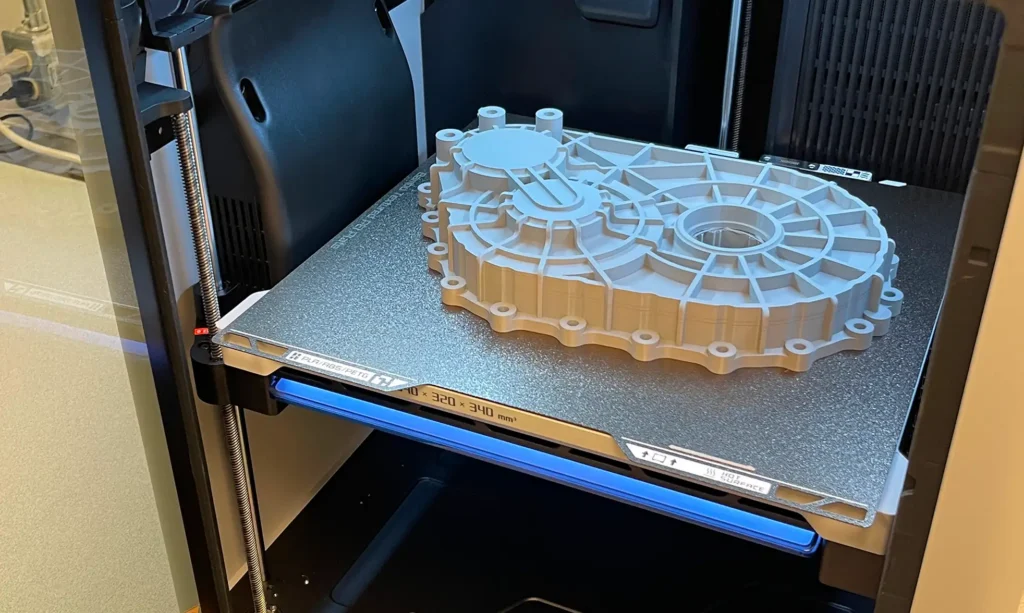
Precision-engineered automotive components developed for durability, manufacturability, and real-world performance compliance.
Let’s turn your idea into a production-ready product engineered for success.
Find quick answers to the most common questions about our services, process, and support
Product development services cover the complete process of transforming an idea into a production-ready product. This includes concept validation, system architecture, mechanical design, prototyping, testing, and manufacturing handoff.
Basic design support focuses mainly on CAD modeling or visual concepts. Full design and development includes engineering validation, tolerance strategy, DFM/DFA optimization, and structured documentation needed for manufacturing.
A company should engage Product Design Services during the early concept or feasibility stage before tooling, supplier engagement, or major capital investment begins.
At this stage, a product design company can help validate ideas, reduce risks, and ensure the product is both technically feasible and market-ready. Early involvement allows for better decision-making around materials, manufacturing processes, and cost optimization, ultimately preventing expensive changes later in development.
Structured new product development reduce manufacturing risk by addressing interface control, tolerance stack-ups, validation planning, and supplier documentation early in the process.
A Product Development Company takes an idea from concept to a fully functional, market-ready product by handling design, engineering, prototyping, testing, and manufacturing readiness.
The timeline for Product Development Services depends on product complexity, but most projects can range from a few months to over a year.
Yes. We start with a Gap Analysis—reviewing build risks, supplier constraints, and tolerance stack-ups that typically show up as fit/assembly failures during prototypes.
Yes. Whether it’s a consumer device or a one-off Special Purpose Machine (SPM), the fundamentals are the same: load paths, interfaces, heat/environment constraints, and assembly logic.
A brief description of the "Problem to Solve," key constraints (size, weight, environment), target unit volume, and any "must-use" components.
Identify the top 2–3 technical "deal-breakers" (e.g., mechanism torque, IP68 sealing, or heat dissipation) and build a targeted proof plan to validate them before committing to full detail design.
We use Segmented Vendor Packages. Suppliers receive only the data required for their specific scope, ensuring no single external party has the full "master blueprint" unless necessary.
We provide Native CAD formats (e.g., SolidWorks) along with neutral STEP/IGES files so you have full lifecycle control and aren't locked into a single vendor.
Yes. We can align our outputs to your specific title blocks, numbering systems, and revision workflows to ensure a seamless integration with your internal PLM.
One source of truth and controlled distribution. Every revision is tracked with clear change notes so the shop floor and suppliers never build from outdated
Over-tolerancing and high part counts. Tight tolerances increase machining and inspection time, while extra parts increase assembly labor and the chance of variation.
By front-loading risk checks. A design change in CAD is cheap; changing a steel mold after it’s cut is a catastrophic expense. We catch these before you commit capital to tooling.
We quote in phases with defined deliverables. This keeps spend predictable while the design is still converging, allowing you to "pivot" without buying a blank check.
Speed comes from Phased Execution. We prioritize building "works-like" units to prove the risky parts first, rather than waiting to design every aesthetic detail perfectly.
Yes. We treat heat and abuse cases as primary constraints, using FEA and CFD simulation to validate sealing strategy and cooling before we build hardware.
We apply strict GD&T (Geometric Dimensioning and Tolerancing) to define clear inspection intent. This reduces "back-and-forth" questions from machinists and ensures parts fit the first time.
Yes. Sealing is treated as a system: joint design, fastener torque strategy, and material compatibility are designed together rather than "adding a gasket" at the end.
A special purpose machine is equipment built for a specific manufacturing task rather than general use. A special purpose machine supplier designs these machines to match exact production requirements, helping businesses achieve faster and more reliable operations.
Yes. We structure packages with defined interfaces so that different vendors can build their specific scope while maintaining perfect interchangeability at final assembly.
Yes. We design around actual maintenance tasks—access, wear parts, and modular sub-assemblies—to ensure that servicing doesn't become a hidden failure mode after launch.
We stay involved through the NPI (New Product Introduction) phase, supporting supplier Q&A and first-article inspections to ensure scale-up is repeatable.
Yes. We prepare quote-ready packages and respond to vendor "Request for Information" (RFI) calls to prevent misinterpretations before parts are cut.
Ambiguity and tolerance drift. We prevent this by locking critical interfaces early and managing revisions strictly so production doesn't run on assumptions.


Services
Company


