Tailored SPMs: Precision Automation for Automotive & EV Excellence

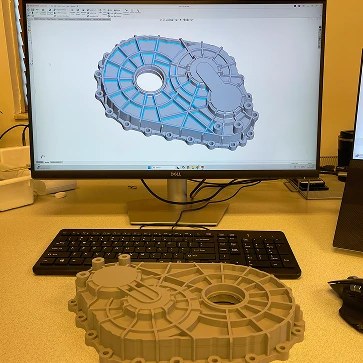
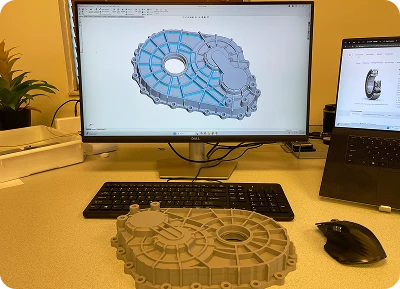
We craft bespoke special-purpose machines (SPMs) and automation systems tailored to automotive, EV, and industrial needs—boosting throughput, quality, and flexibility with decades of expertise. From engine assemblies to EV motor builds, our solutions integrate seamlessly with your line, backed by detailed 3D models and drawings for full team alignment.

Special-Purpose Machine Design & Automation Services

We design custom machinery and automation systems to meet the exact needs of automotive, EV, and industrial manufacturers. Special-purpose machines (SPMs) are bespoke solutions tailored to specific production tasks. By leveraging decades of automation experience, we build equipment that boosts throughput, quality, and flexibility on your production line. From engine and transmission assembly to EV motor builds, our SPMs integrate seamlessly with your existing machines. Each solution is fully documented with 3D models and assembly drawings for client review, ensuring everyone (production, maintenance, safety) is on the same page before fabrication. We use proven components (Siemens/Allen-Bradley controls, Festo/SMC pneumatics, THK linear guides, Keyence/Sick sensors, etc.) to ensure reliability and maintainability. Above all, our designs prioritize ergonomics and safety: automation reduces repetitive manual tasks and injury risks, and every machine meets ANSI/OSHA standards (using light curtains, interlocks, emergency stops, etc. as required).

Inspection and Quality Assurance Machines

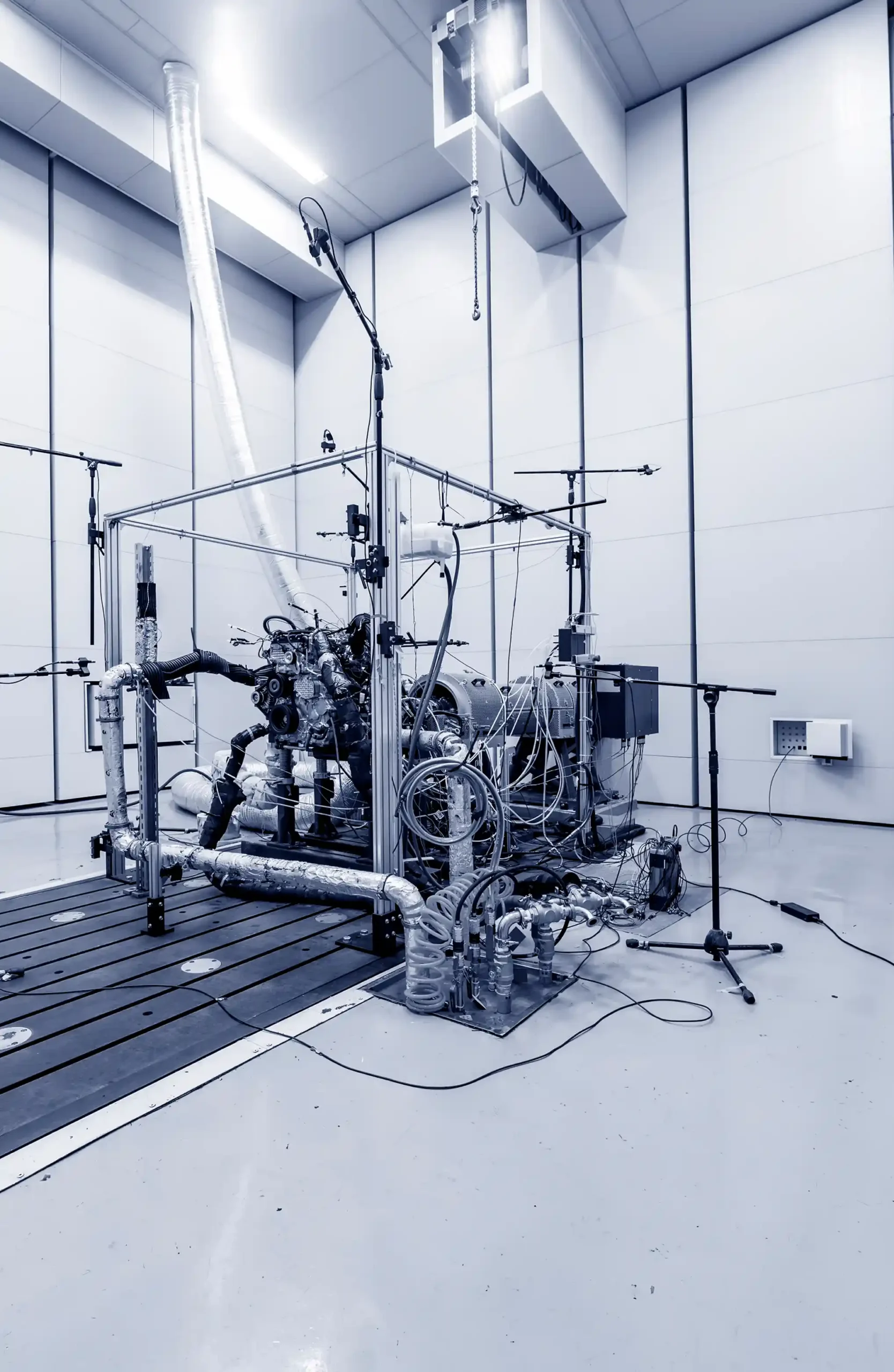
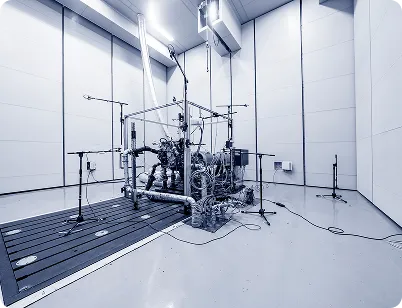
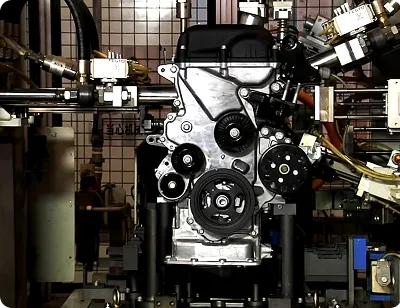
We develop custom inspection and testing stations to catch defects and verify assembly quality. Vision-based systems automatically detect scratches, dents, cracks, or missing parts, and verify that every component (bearings, seals, fasteners) is present and correctly assembled. For example, a vision-guided checker can inspect a transmission or engine for missing needle bearings or defective gears before moving down the line. We also build precision gauging machines (e.g. shim-measuring units for transmissions, caliper devices for engine parts) and NVH (Noise Vibration & Harshness) testers that ensure noise and vibration meet design specs. NVH testing is a critical quality check in automotive manufacturing, helping engineers minimize unwanted noise and meet comfort standards. Other examples of our inspection machines include:
machine

Optical scan stations for surface defects (scratches, weld quality, coating uniformity).

Component presence/absence testers using sensors or vision (e.g. confirming needle bearings, clamps, clips).

Performance testers (end-of-line check) for alternators, belt tensioners, transmissions and EV motors (measuring torque, current, or speed under load).

NVH and sound-level testers to catch noise issues in engines or gearboxes.

Automated data acquisition (DAQ) integration for strain gauges, load cells, and acoustic sensors, enabling statistical process control.

These machines reduce human inspection and ensure 100% quality checking. As noted by industry leaders, automated vision and sensing “improve work holding effectiveness” and eliminate manual checks. Our inspection solutions deliver fast, repeatable measurements so that only parts meeting specifications continue in production.

Custom Assembly and Line Integration Solutions

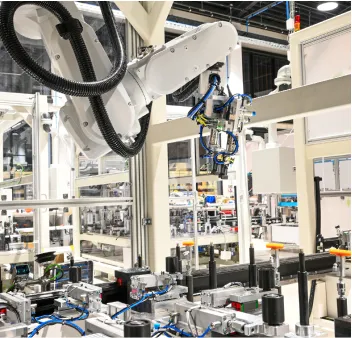
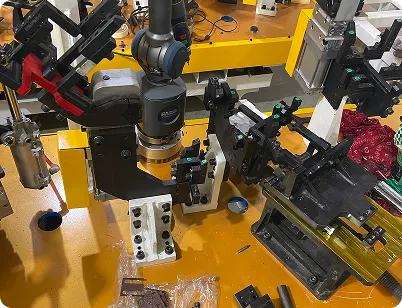
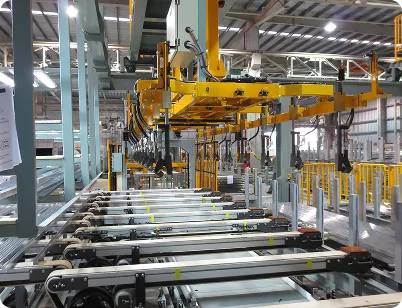
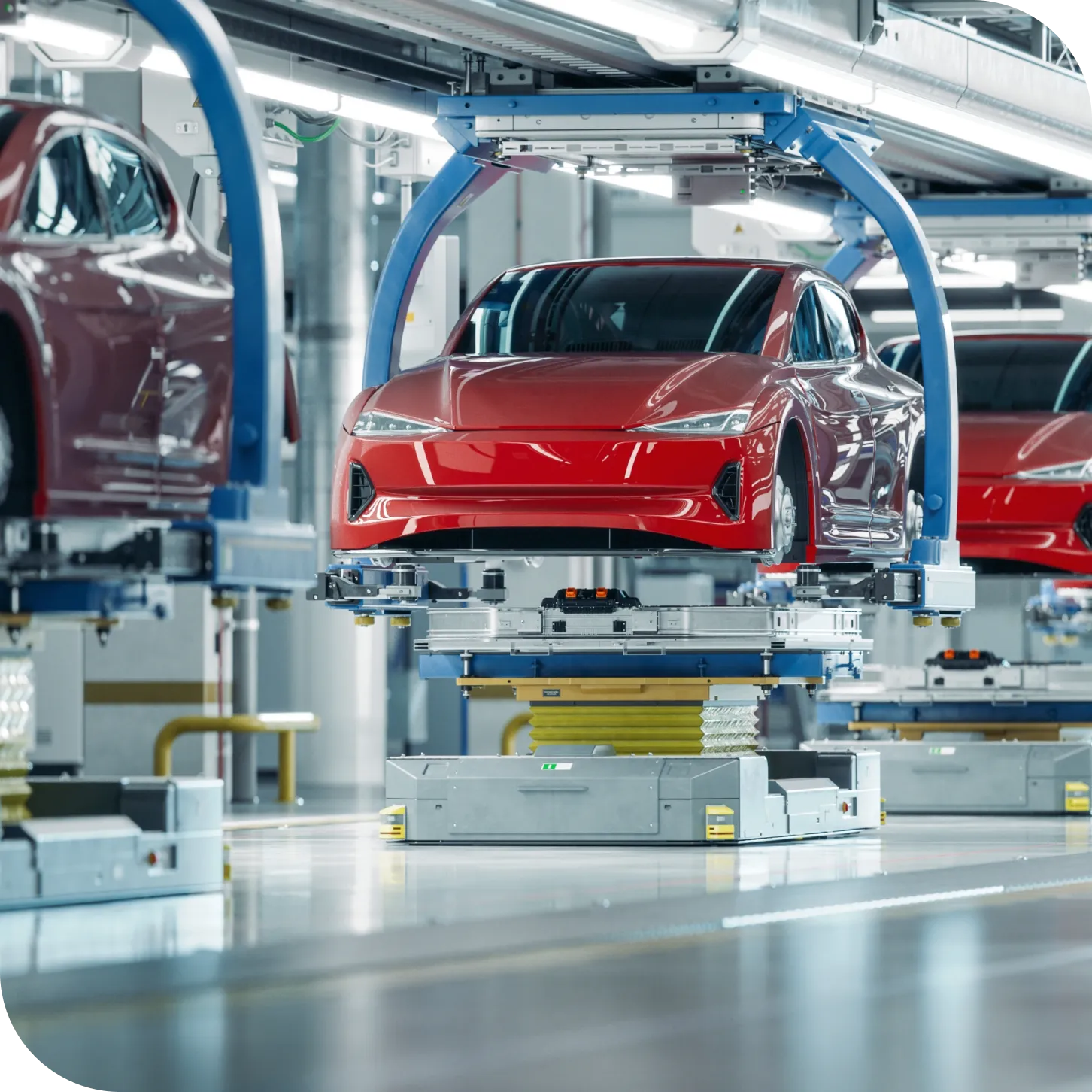
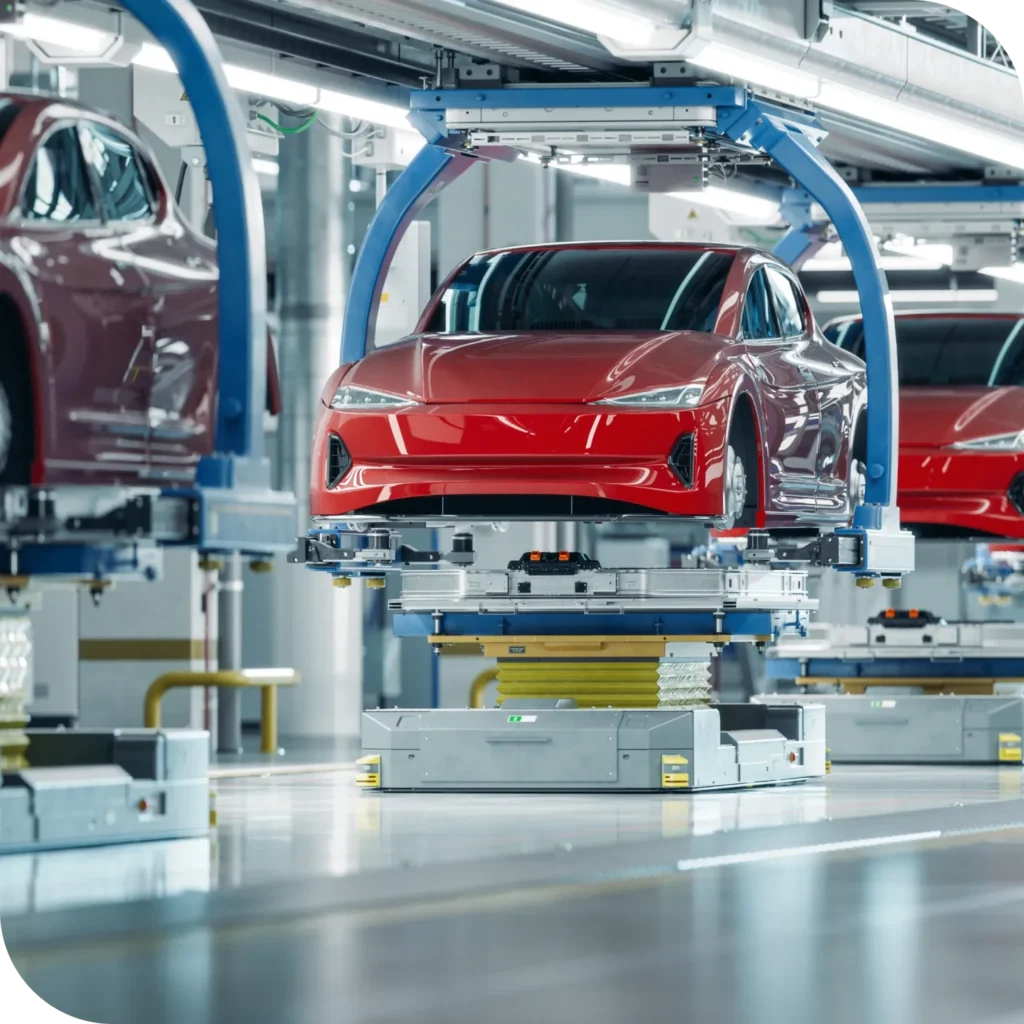
Our specialty is custom assembly stations and material handling systems that fit your process. We design assembly machines for engines, transmissions, EV motors, belt tensioners, and more. For example, we have built camshaft–crankshaft alignment rigs and rotor insertion systems, and high-speed screw-driving stations for electric drive components. These machines use robotics, linear actuators, and precision fixturing to put parts together accurately and quickly.

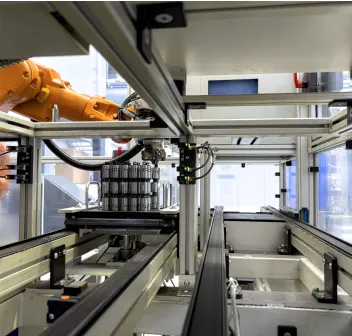
We also solve line integration challenges by bridging gaps between different OEM equipment. When two machines on the line come from different suppliers, we create inline transfer cells or conveyors to ensure a smooth product handoff. Integrated material-handling systems (gantry robots, pick-and-place units, conveyors, rotary tables, and turn-over devices) keep the flow continuous. In an integrated setup, machines “communicate between different areas” of the line so production runs more smoothly and efficiently. For instance:

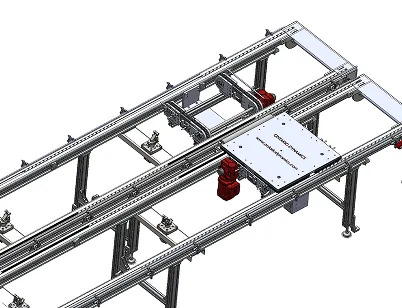
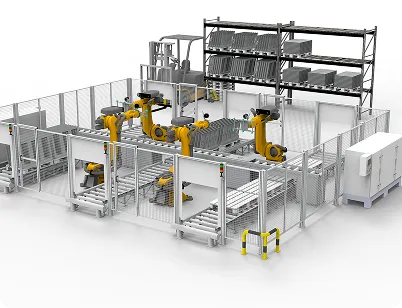
Special Machines Automation diagram

Conveyor and Shuttle Systems:

Custom conveyors and accumulation tables that transfer parts between machining or assembly cells.

Rotary Indexing Tables:

Multi-station turntables that bring parts to each assembly or inspection station in sequence.

Gantry or Cartesian Robots:

3-axis and delta robots for lifting, placing, and orienting parts (using components from top brands like Bosch Rexroth, THK, and Tsubaki).

Pneumatic Feeding Systems:

Beam lifters and pusher mechanisms using Festo/SMC valves and cylinders to supply parts into the machine

Our specialty is custom assembly stations and material handling systems that fit your process. We design assembly machines for engines, transmissions, EV motors, belt tensioners, and more. For example, we have built camshaft–crankshaft alignment rigs and rotor insertion systems, and high-speed screw-driving stations for electric drive components. These machines use robotics, linear actuators, and precision fixturing to put parts together accurately and quickly.

We also solve line integration challenges by bridging gaps between different OEM equipment. When two machines on the line come from different suppliers, we create inline transfer cells or conveyors to ensure a smooth product handoff. Integrated material-handling systems (gantry robots, pick-and-place units, conveyors, rotary tables, and turn-over devices) keep the flow continuous. In an integrated setup, machines “communicate between different areas” of the line so production runs more smoothly and efficiently. For instance:

Press Line Automation and Material Handling

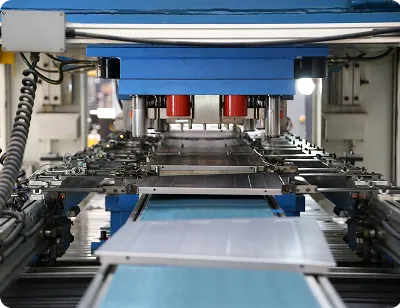
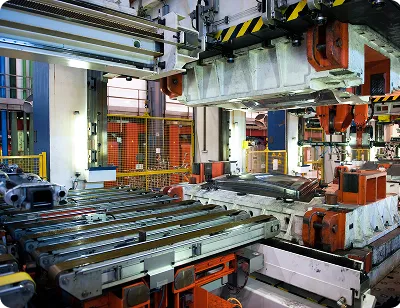
We have extensive experience in press and stamping line automation. Press lines demand reliable feeding and transfer equipment for blank metal sheets and finished parts. Key offerings include:

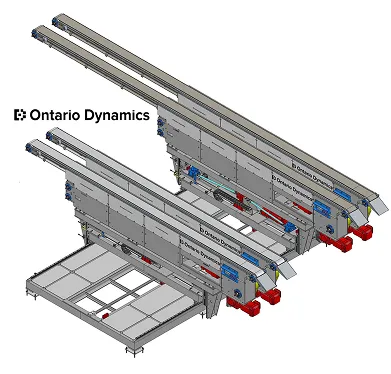
Destacker Feeder
Special Machines Automation

Blank Destacker Feeders: We engineer front-of-line destackers (gantry-mounted vacuum or mechanical lifters, magnetic sheet separators) to supply press blanks continuously. A good destacker feeder “provides a continuous feed of blanks to the press line” and must be flexible and reliable. Our designs use servo drives and precise control so they can handle a range of blank sizes and stack configurations without jamming

Transfer Systems: For multi-press setups, we build servo-driven transfer bars and pick-up conveyors (through-the-window or press-to-press) that move parts from one press to the next. We offer both “through-the-window” and front/back-mounted designs to maximize visibility and use of the press bed. (As one industry expert notes, even the best transfer system is “limited without a dependable destacker”, so we ensure each transfer project includes robust blank feeding.)

Post-Press Handling: After the press, shuttle conveyors, stackers, turntables, and skidding systems organize and transport parts to the next station or palletizer. We design accumulation and turn-over devices to manage flow and orientation for assembly or inspection steps.

Every press line machine we deliver meets the latest safety standards. Stamping automation requires rigorous guarding and controls – “safety is the highest priority” for press solutions. We incorporate light curtains, interlock gates, and dual-hand controls so presses only cycle when guards are secure. Safety-rated PLCs and emergency stops (compliant with ISO/ANSI machine safety standards) are built into all systems. The result is a press line that runs faster and safer, with fewer jams or downtime.

Ergonomics, Safety & Regulatory Compliance

Operator safety and comfort are central to our designs. We follow industry and government safety protocols (ANSI/ISO, OSHA, etc.) at every step. Machines use presence-sensing light curtains, area scanners, and safety relays so they stop immediately if someone reaches into a danger zone. All moving parts have guards or soft-zone stops to prevent pinch points. By design, our workstations reduce manual lifting and bending – for example, we use adjustable-height tables and pick-assist robots – because ergonomics improve productivity and morale.

We also specify components per customer preference and maintenance best practice. Off-the-shelf parts (Allen-Bradley drives, Festo valves, SKF bearings, etc.) are chosen for serviceability. Everything is labeled and documented so your maintenance team can easily support the equipment. Our engineering documentation (3D CAD models, detailed assembly drawings, electrical schematics) gives you full visibility into the machine before we build it. This rigorous design review process ensures there are no surprises – clients see exactly what they will receive and can suggest changes early on.

Proven Expertise Across Industries

With roots in automotive Tier 1/2 manufacturing and growing EV startups, we understand the challenges of high-mix, high-tech production. Our team brings decades of experience in customized automation for powertrains, drivetrains, and electric drives. Industry specialists recognize that tailored automation “transcends industry standards” by delivering unmatched precision and efficiency. In practice, our solutions have increased throughput, reduced scrap, and enhanced quality for manufacturers like you. For example, one integrator notes that system integration “results in a smoother workflow and more efficient production processes” – a benefit our customers see when their lines come alive under our design.

Why choose us? We listen to your production, maintenance, and safety teams to solve real pain points. We apply the latest technologies (servo motion, PLC control, vision systems, IoT data logging) with a practical mindset. Our goal is to make your line safer, faster, and easier to maintain. In short, we deliver special-purpose automation that works right the first time – from initial concept through final commissioning.

Contact us to discuss your next project. Together, we’ll engineer a custom solution that integrates seamlessly into your operation and drives measurable improvements in productivity and quality.