
A product can look perfect on a spec sheet and still fall apart the moment it’s actually put to work. That gap, between what a design says it should do and what it actually does, is exactly what Ontario Dynamics is built to close. We design and build purpose-built systems for measuring the functional and mechanical performance of products, components, and assemblies under controlled, repeatable operating conditions. Force, pressure, torque, speed, motion, flow, temperature, response, output, efficiency, if it can be measured, we can build a performance test rig around it.
Product performance testing means physically measuring how a real component, assembly, or system behaves once it’s actually running, not modeled, not assumed, actually operated. It has nothing to do with software performance testing, and it’s more than a simple pass/fail inspection. It’s about producing repeatable, trustworthy data on what a product does when force is applied, a shaft is spun, a line is pressurized, or a control signal is sent.
Controlled conditions matter because uncontrolled ones give you numbers you can’t rely on. A drifting temperature, a flexing fixture, a sensor working outside its calibrated range, any one of those can quietly corrupt a result until someone downstream builds a decision on top of bad data. Done right, mechanical performance testing and component performance testing hold every variable steady except the one being measured, so the number you get back actually means something.
This kind of functional performance testing and product validation testing shows up throughout a product’s development, not just at the end. Early on, it tells you whether a concept holds up in practice. Mid-development, it checks a part against the technical targets it was designed to hit. Later, it compares one revision against another. And right before production, it confirms nothing has drifted from what was promised on paper.
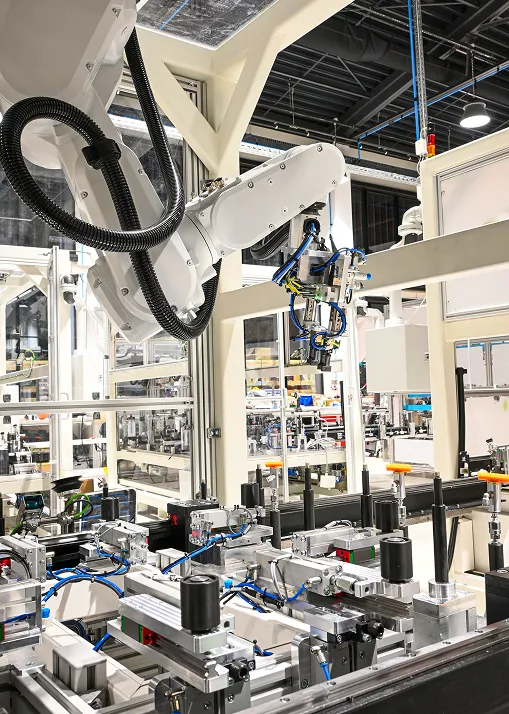
Applied loads and reaction forces are captured under real operating conditions, showing exactly how a part responds when it's put under stress.
Rotational output and resistance are measured to validate drivetrain behavior, motor performance, and mechanical linkages.
Operating pressure, pressure stability, and pressure-dependent behavior get tracked across hydraulic, pneumatic, and fluid-handling parts.
Fluid and air flow rates, along with related operating characteristics, are measured for pumps, valves, and flow-based systems.
Rotational and linear speed is checked against target specifications, whether that's a motor, a gearbox, or a linear actuator doing the work.
Travel, stroke length, positioning accuracy, and repeatability are all measured to confirm mechanical motion behaves the way it's meant to.
Operating temperature and thermal trends are watched throughout a test cycle, heat is often the earliest sign that something is working harder than it should.
Response to mechanical, electrical, or control inputs is measured for speed, consistency, and repeatability
Input gets compared directly against measurable output, giving you real efficiency numbers instead of a number pulled off a data sheet.
Single parts are tested on their own, establishing baseline performance before they’re built into anything bigger.
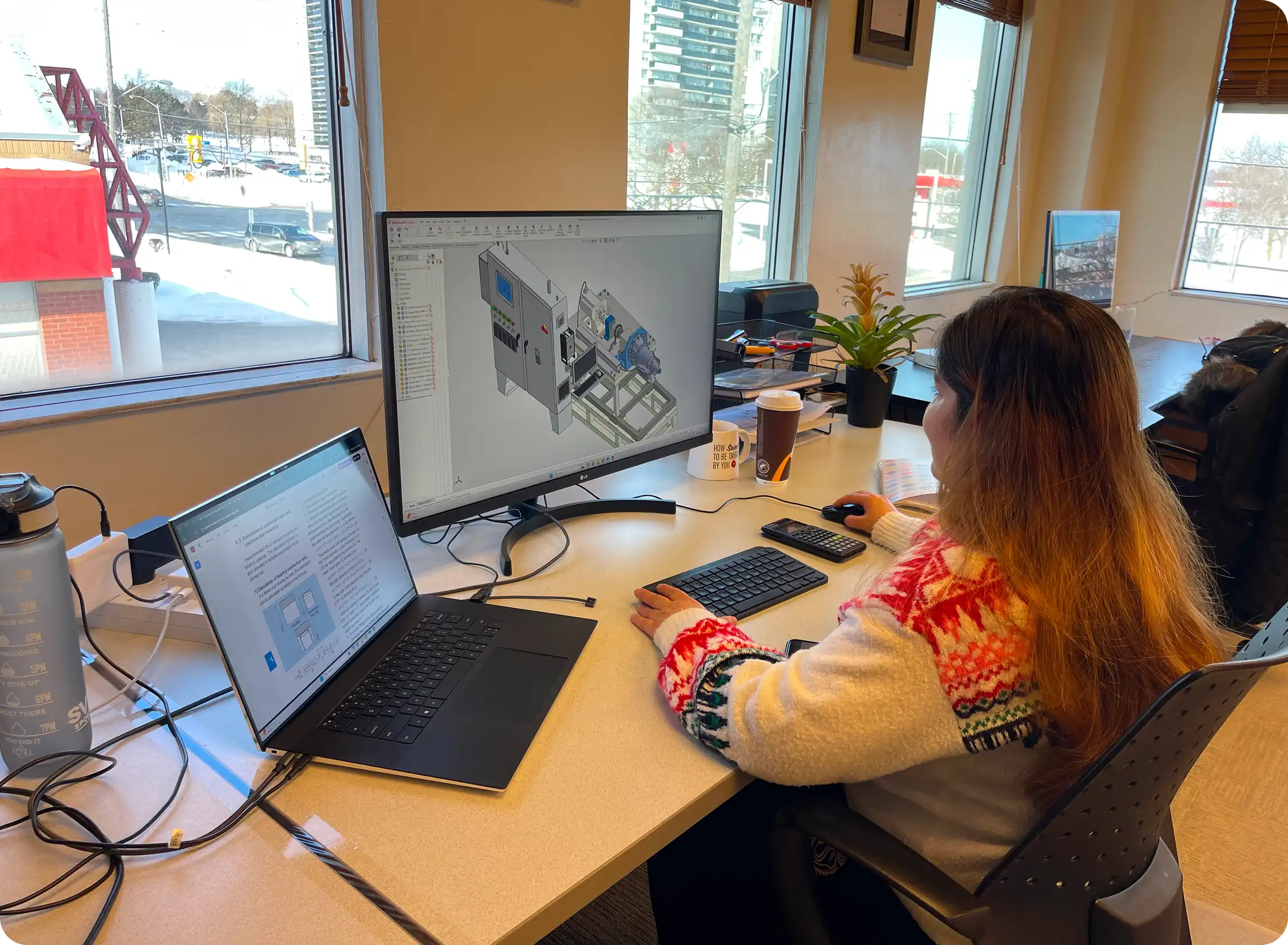
Multi-part assemblies are tested as a whole, capturing how the individual pieces behave once they’re actually working together.
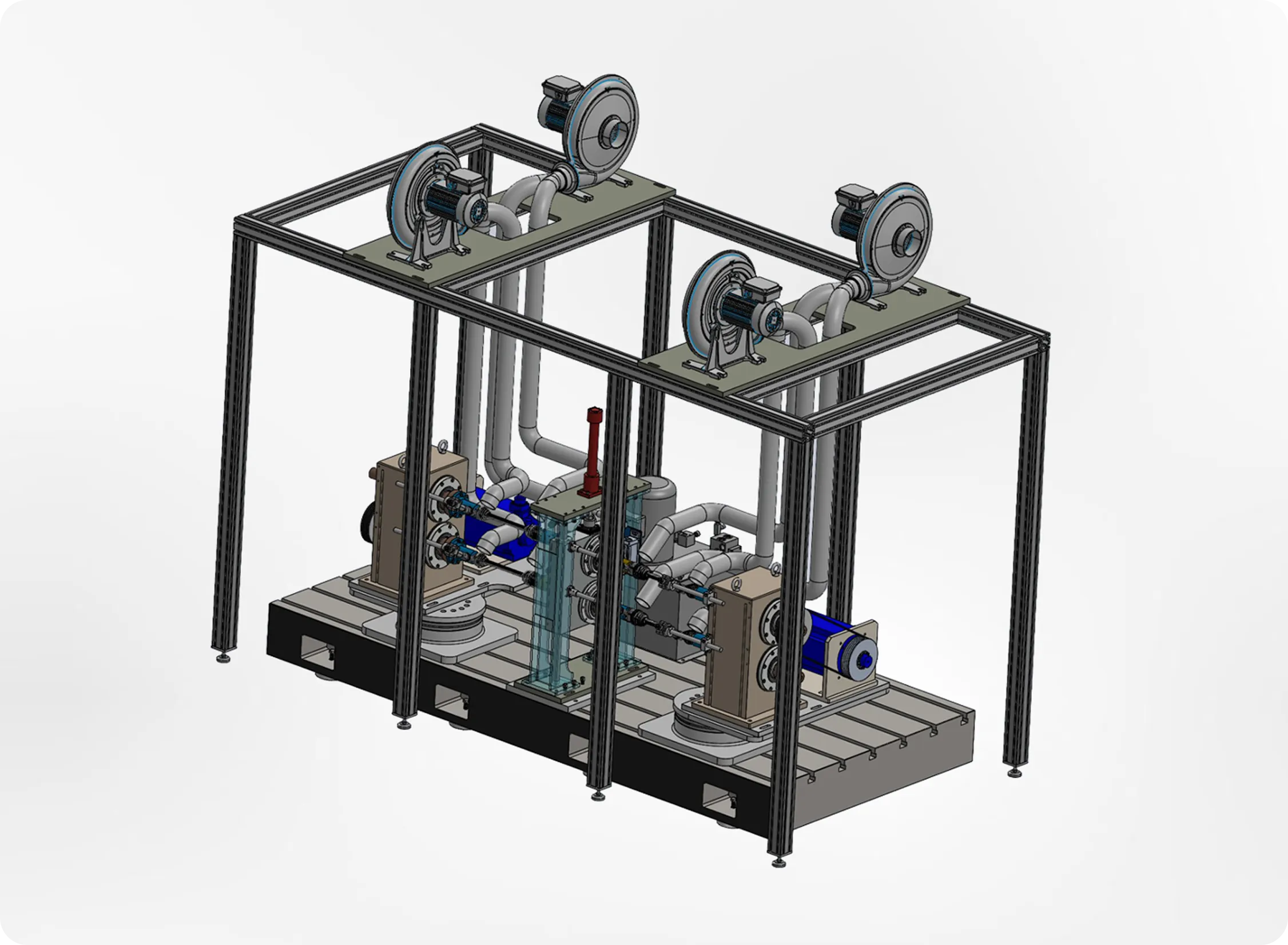
Products that combine mechanical motion with electrical control get validated across both sides at once.
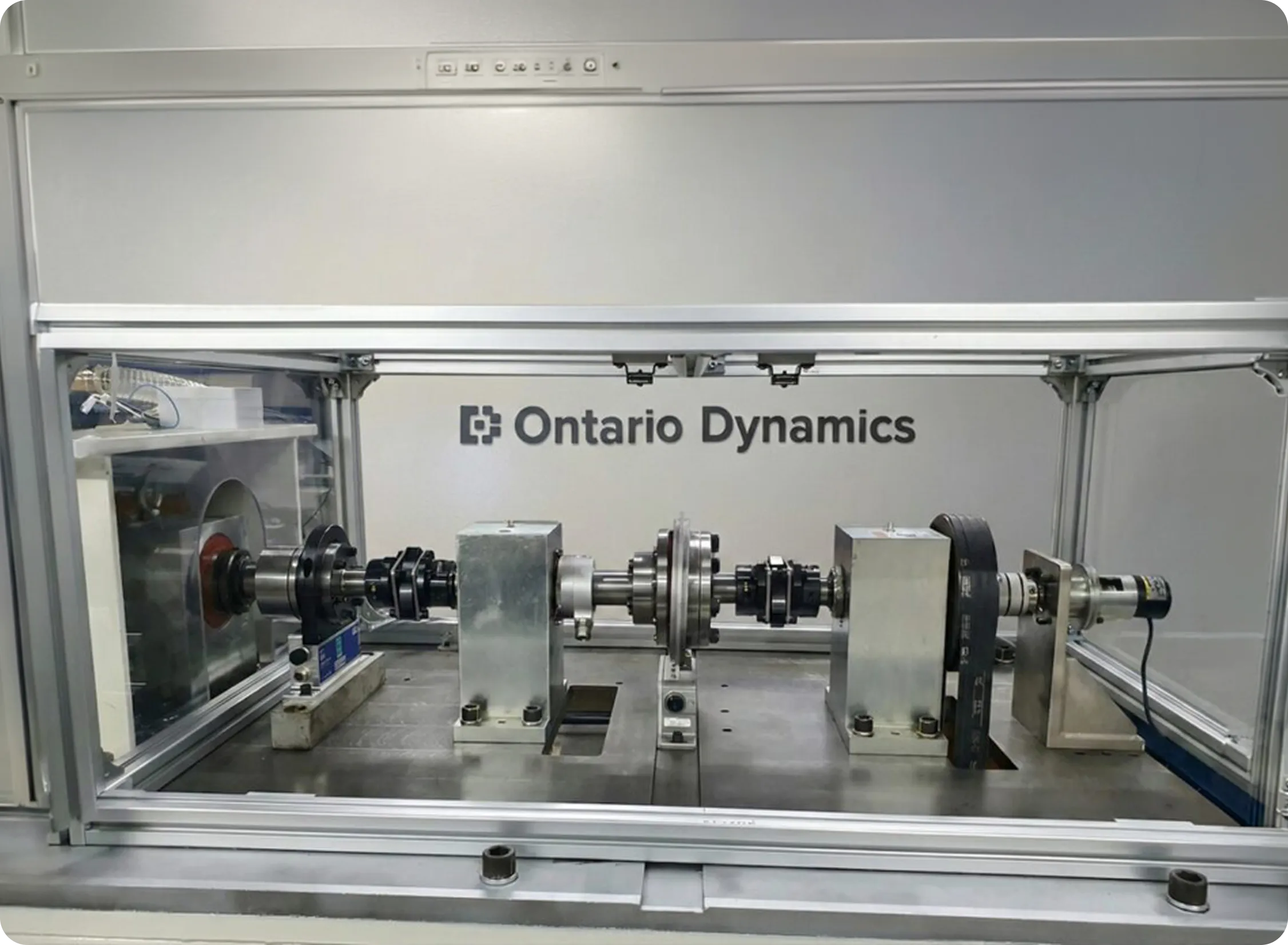
Automotive parts and subassemblies are tested against real operating conditions and, where applicable, OEM performance targets.
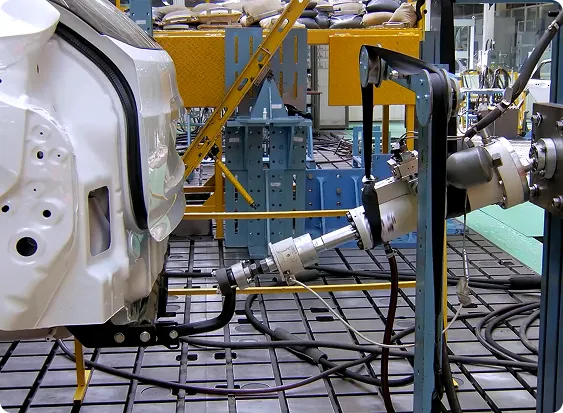
Flow-control and actuated hardware is validated for pressure, flow, and response under real operating loads.
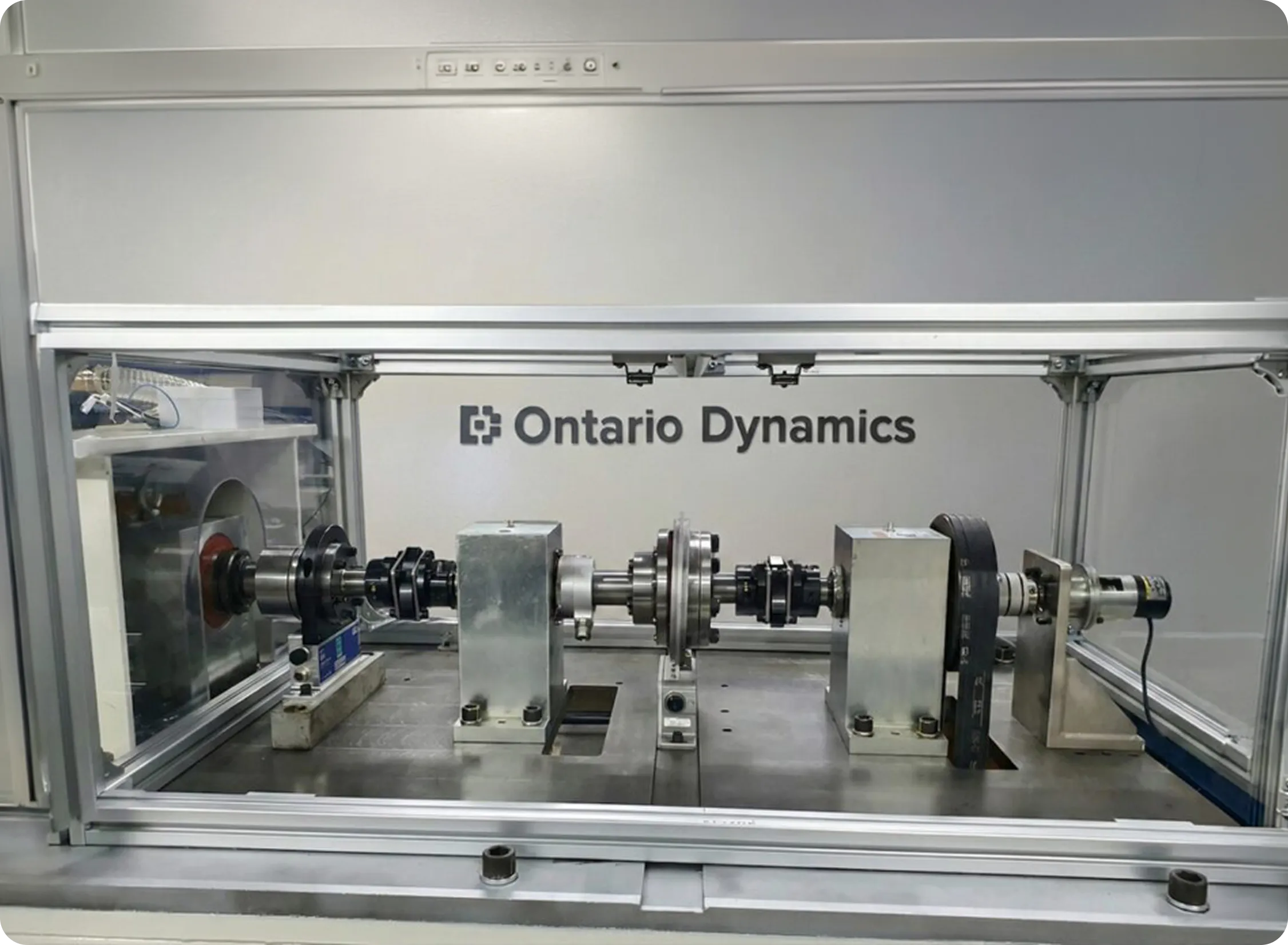
Rotating equipment is checked for torque, speed, and efficiency across the full range it’s meant to operate in.

Test programs are structured around applicable ASTM fatigue standards, giving your results a documented, defensible methodology.
Test programs are structured around applicable ASTM fatigue standards, giving your results a documented, defensible methodology.
Multi-part assemblies are tested as a whole, capturing how the individual pieces behave once they're actually working together.
Automotive parts and subassemblies are tested against real operating conditions and, where applicable, OEM performance targets.
Flow-control and actuated hardware is validated for pressure, flow, and response under real operating loads.
Rotating equipment is checked for torque, speed, and efficiency across the full range it's meant to operate in.
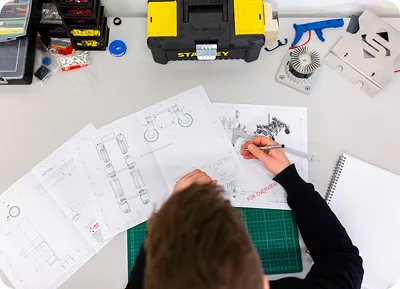
Input and output values, operating ranges, tolerances, cycle counts, and pass/fail criteria all get pinned down before anything else starts.
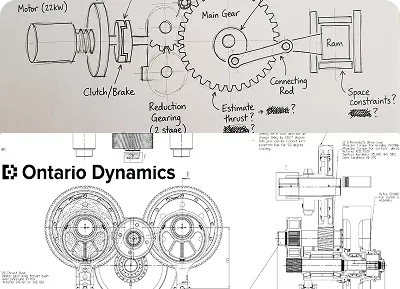
What needs to be controlled, measured, and recorded gets worked out clearly and specifically.
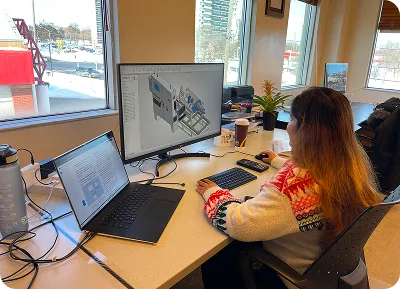
Mounting points, interfaces, guarding, and load paths are worked through based on your part’s exact geometry.
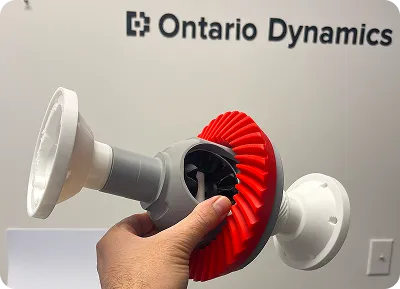
Load cells, torque sensors, pressure sensors, displacement sensors, thermocouples, and accelerometers are chosen based on what actually needs to be measured.
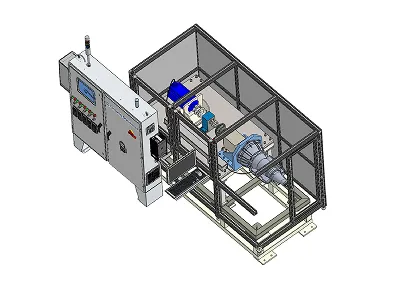
PLC/HMI systems, automated sequences, and repeatable test recipes get built directly into the system.
Every relevant test parameter is captured and stored in a format you can actually use.
Fabrication, assembly, wiring, and full system integration are handled in-house, start to finish.
Every system runs through Factory and Site Acceptance Testing before it’s handed over.
Automotive and EV parts are tested against real duty cycles and performance targets, a natural fit given Ontario’s automotive manufacturing base.
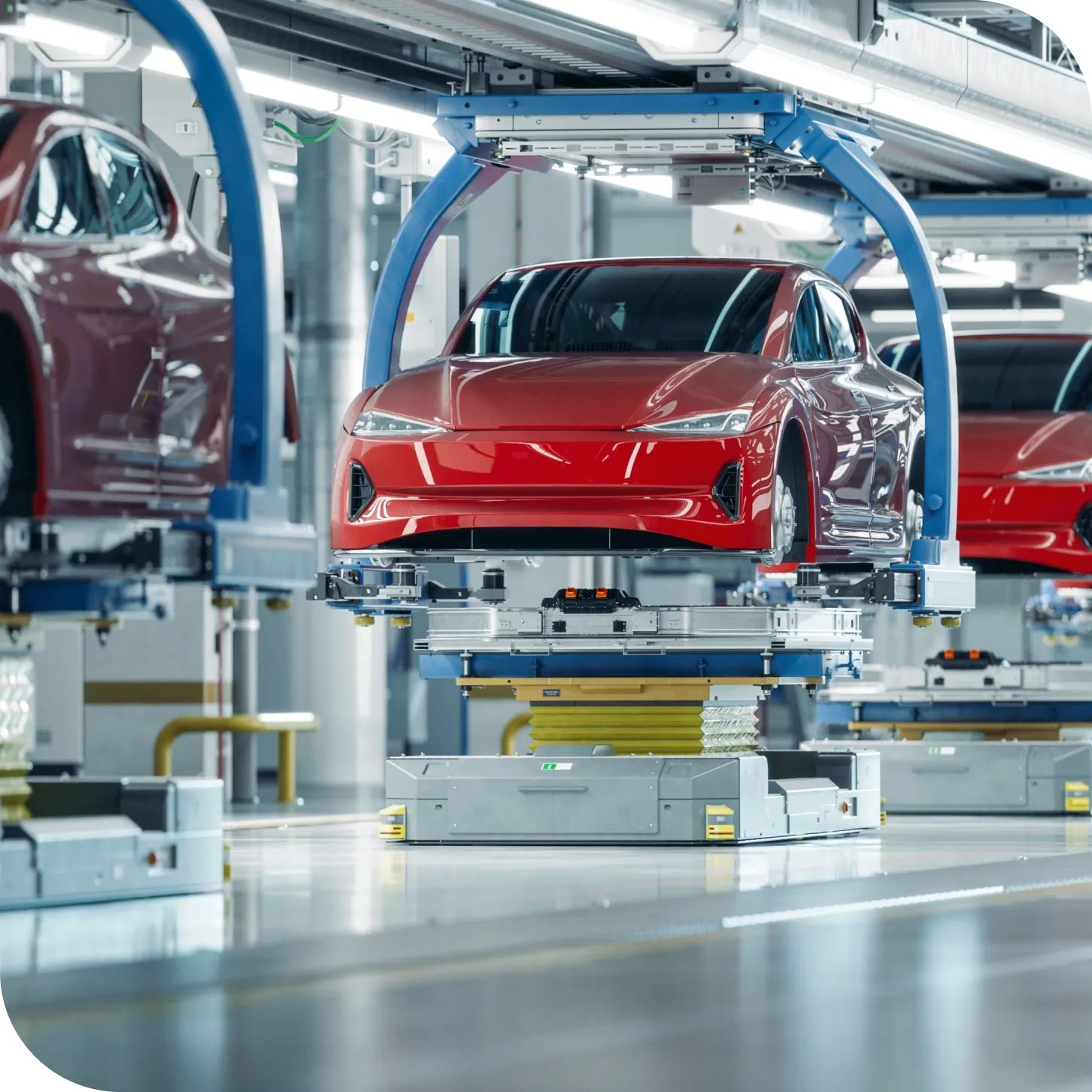
Machinery components and subsystems are validated for the loads, speeds, and cycle demands they’ll face on the floor.
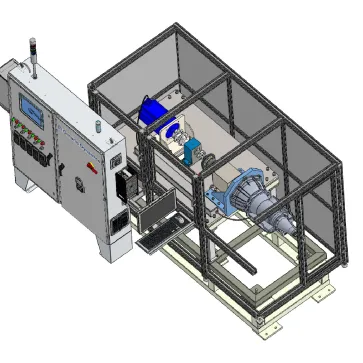
Combined mechanical and electrical systems are tested as one integrated unit, not two separate problems
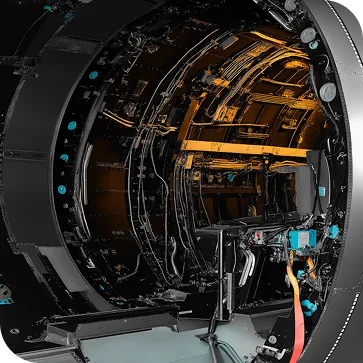
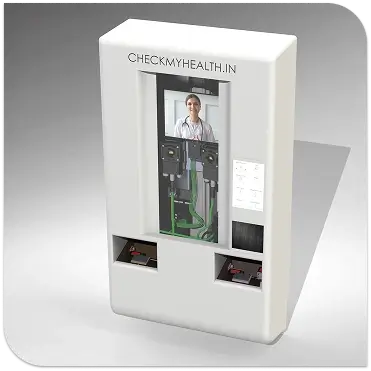
Development and R&D teams use custom performance testing equipment to validate ideas long before tooling money gets spent.
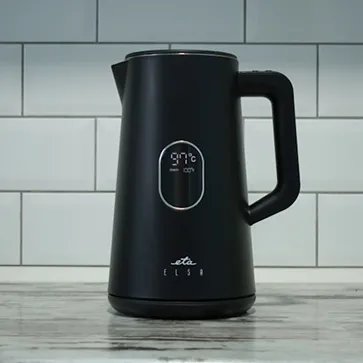
Performance is confirmed against production-intent specifications before manufacturing scales up.
Does the design actually function the way it was intended to? Early testing answers this before serious investment goes into tooling.
Does the component hit the specific performance targets it was designed against? This gets measured and put on record.
Design revisions get tested against one another directly, so changes are backed by data rather than a hunch.
Right before a design moves into production, its performance gets confirmed one more time under representative conditions.
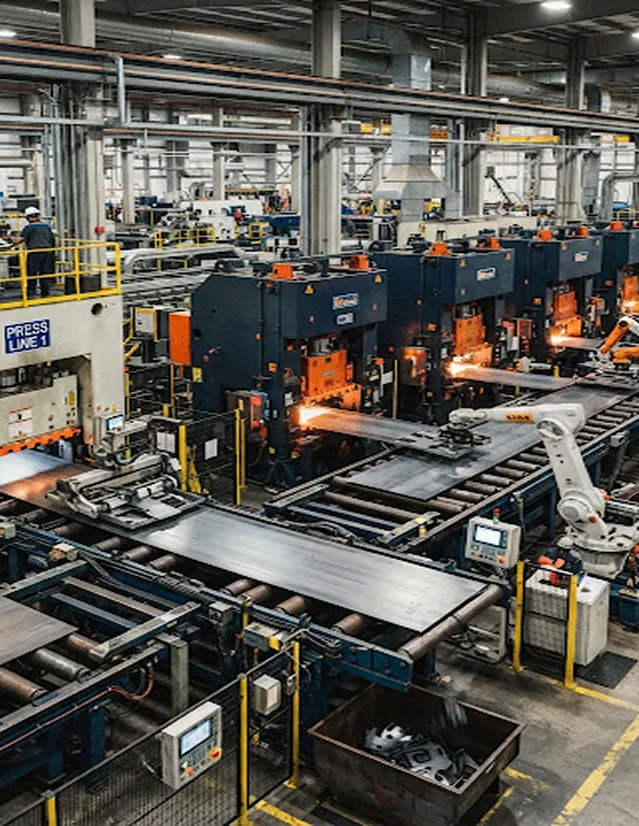
manufacturing
This is where things really diverge from a typical testing provider. Most testing companies sell you time on machines they already own. Ontario Dynamics builds the machine. That means fixtures built specifically for your part, mechanical layouts and CAD work done in-house, FEA where the load case genuinely calls for it, instrumentation matched to your exact measurement need, controls and DAQ integration, fabrication, full assembly, commissioning, and documentation your supply chain can put to actual use.
A custom performance test rig isn’t an upsell, it’s often the only realistic way to get a valid result when your part doesn’t fit a standard machine’s fixture, motion range, or measurement window. Building this kind of custom hardware is what Ontario Dynamics has spent years doing.
Systems built around your actual requirements, not adapted from stock equipment
Mechanical, controls, and instrumentation capability all under one roof
Full coverage from initial design through commissioning
Genuine test-rig build experience across automotive and industrial work
Canadian-based technical support
Documentation built to be supplier-ready, not just useful internally
To scope your project properly, it helps to share:
Got a product specification, a CAD model, or a performance parameter that needs measuring? Share it with our technical team, and let’s talk through a purpose-built test solution.
Find quick answers to the most common questions about our services, process, and support
It's the physical measurement of how a product, component, or assembly behaves under controlled, repeatable operating conditions, confirming it performs as designed instead of just assuming so.
Common ones include force, torque, pressure, flow, speed, motion, temperature, response time, and efficiency, depending on what's being tested.
Functional testing generally confirms a product does what it's meant to at all; performance testing measures how well it does it, under what conditions, and to what tolerance.
Performance testing measures how a product operates under defined conditions; durability testing measures how long it keeps operating before it wears out or fails.
Fatigue testing specifically measures survival under repeated cyclic loading over time. Performance testing is broader, covering operating characteristics like force, speed, or efficiency, which may or may not involve cyclic loading at all.
Yes. When off-the-shelf test equipment can't accommodate a part's shape, load case, or measurement requirement, a custom test system gets designed and built around it.
Yes. Testing is scoped for individual components, sub-assemblies, or fully integrated systems, depending on the project.
Yes. Most systems are built with PLC/HMI control and automated test sequences so results stay consistent and repeatable, run after run.
Load cells, torque sensors, pressure transducers, displacement sensors, thermocouples, and accelerometers are commonly used, chosen based on exactly what's being measured.
Generally the component or product itself, its operating range and target values, required tolerances, test duration, and any applicable customer specification, enough for our team to scope the right method and hardware for the job.


Services
Company