
Ontario Dynamics designs and builds custom EOL test systems for automotive components and assemblies, automated stations that verify functionality, quality, and production readiness before a unit ever leaves the line. Our end-of-line testing systems combine functional checks, leak testing, performance verification, and vision inspection into one automated sequence, built around your part and your production volume.
End-of-line testing is the final quality verification step performed after a product or assembly has been completed, and before it moves on to shipment or the next stage of production. It’s the last quality gate a unit passes through, which is exactly why it matters so much.
A properly designed EOL station exists to:
This is different from in-line or intermediate inspection, which checks a process step along the way. EOL testing checks the finished product, as a whole, right before it’s released.

Functional and performance verification for electrified drivetrain components.
Confirm correct operation and output across the full assembly before release.
Functional and pressure verification for fluidic and mechanical components.
Confirm functional response and performance before a unit moves downstream.
Electrical and functional checks across connected systems.
Signal and functional verification for sensor-integrated assemblies.
Confirm that the finished assembly operates the way it’s supposed to, under real operating conditions.
Check seals, pressure retention, and leakage on components where that matters
Measure torque, speed, pressure, flow, force, or other product outputs against defined limits.
Repeated actuation testing for mechanisms that get used thousands of times over a vehicle’s life.
Confirm assembly completeness, component presence, orientation, markings, or visible defects
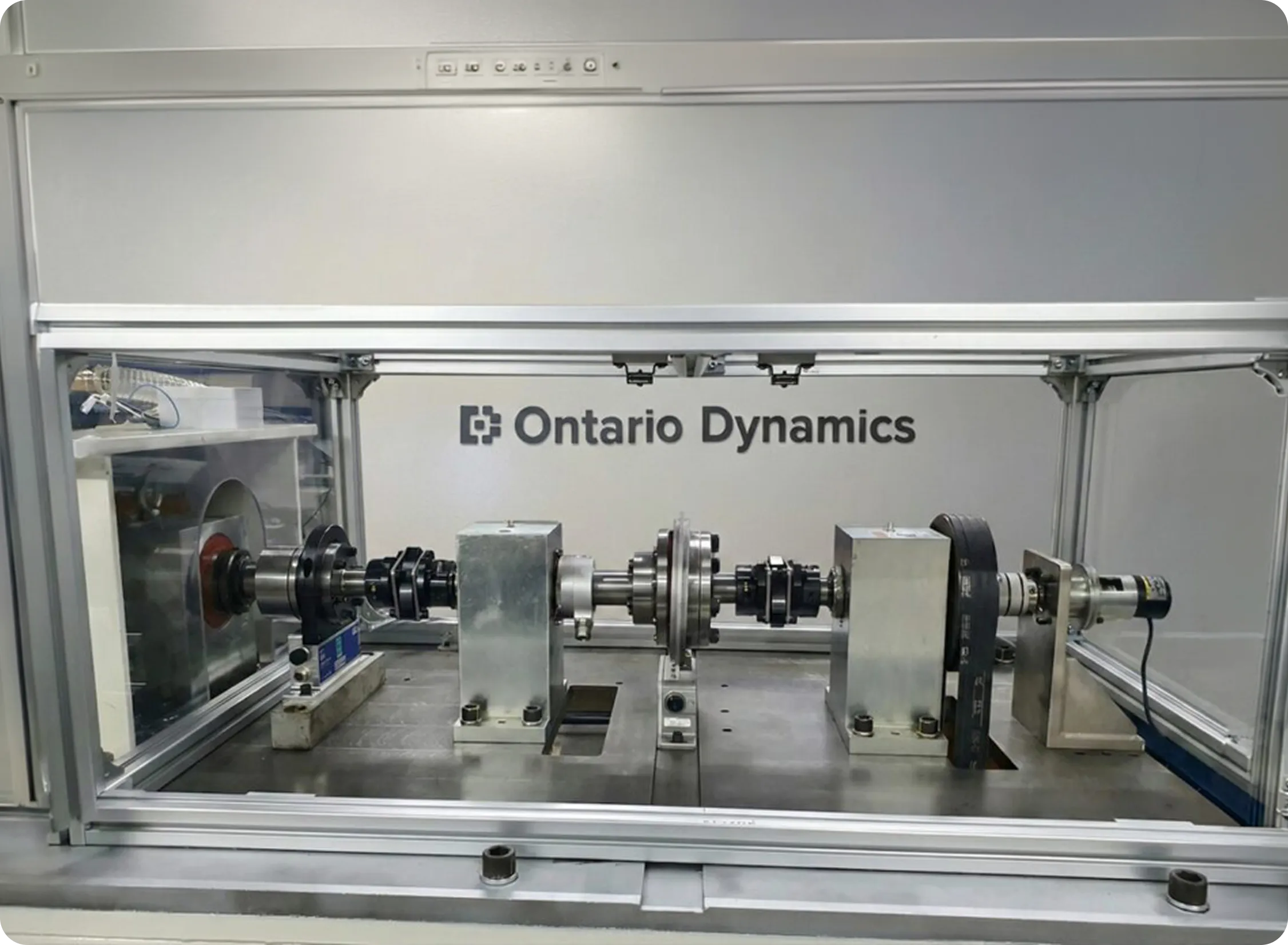
Measure noise or vibration where the application calls for it.

These two are related but answer different questions. Durability testing looks at how a component holds up functionally over its expected life. Fatigue testing looks specifically at when and how a material or structure fails under repeated stress. If structural failure analysis is what you’re after, our Fatigue Testing Systems page covers that in more detail.
Getting these measurements right often means capturing mechanical, electrical, and acoustic parameters on a synchronized timeline, particularly for more complex assemblies like e-axles, where several systems need to be checked against each other, not just individually.
There’s no such thing as a one-size-fits-all EOL machine, and we don’t try to sell you one. Every station we build is designed around the realities of your production environment, including:
A station built for low-volume, high-mix production looks nothing like one built for a high-volume single-part line, and trying to force one design to do both is usually how test coverage or cycle time ends up suffering.
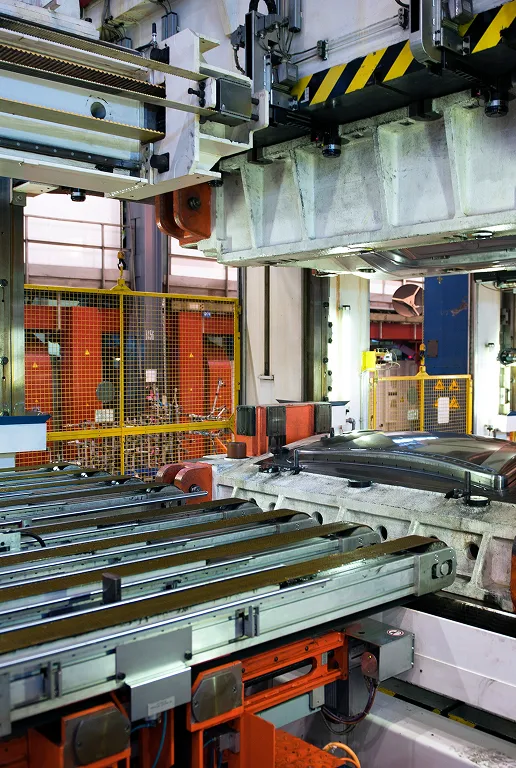

Behind every EOL station is a control and data architecture that ties the whole test sequence together:
A modern EOL test system doesn’t just measure a value and move on, it ties that measurement directly to the unit being tested. Device ID, timestamp, and result all get recorded together, which is what makes the data usable later, whether that’s for a warranty investigation or a production trend review.
Traceability is what separates a real production EOL station from a bench test with a PLC bolted on. Here’s how it typically flows:
enters station
scan / serial
test plan selected
measure & verify
evaluated
result generated
release or reject
A properly designed EOL station exists to:
This is different from in-line or intermediate inspection, which checks a process step along the way. EOL testing checks the finished product, as a whole, right before it’s released.
This follows the same design-to-install workflow we use across every custom test system we build, applied specifically to the pace and structure of a production environment.
Each of these answers a different question, and most components need more than one. If you’re validating performance targets rather than production pass/fail, see our Performance Testing page. If you’re looking at long-term reliability, our Durability Testing page covers that ground instead.
Custom-built around your component
Automotive engineering experience
Mechanical + controls + instrumentation capability under one roof
Design-to-build support from concept through commissioning
Automated testing & DAQ built into every system
FAT / SAT and commissioning included
Toronto, Ontario engineering support
Find quick answers to the most common questions about our services, process, and support
End-of-line testing is the final quality verification performed on a completed product or assembly before it ships or moves to the next production stage, used to confirm the unit functions correctly and meets specification.
Depending on the component, this can include functional operation, leak and pressure performance, torque or speed output, electrical signals, and visual or presence inspection.
In-line testing checks a step or process partway through production. End-of-line testing checks the completed, finished unit, as the final gate before it's released or shipped.
Yes. Functional, leak, pressure, electrical, and vision testing can often run as a single automated sequence on one station, reducing cycle time while maintaining full test coverage.
Yes. Barcode or serial number tracking ties each test result directly to the specific unit tested, which supports full traceability and later investigation if needed.
Yes. We design EOL stations to work with your existing PLC and line controls, material handling, and floor space, rather than requiring a standalone system that doesn't fit your line.
Generally, we need product drawings, production volume, required cycle time, the tests you need performed, and your acceptance criteria or pass/fail limits.

Services
Company