
Custom production line automation solutions and automated production lines designed to increase throughput, reduce downtime, improve quality, and support scalable manufacturing growth.
Press line automation brings together presses, robots, feeders, transfer systems, conveyors, controls, and safety equipment into one coordinated production line. Instead of relying on manual handling between each stage, automated systems move parts, manage timing, and keep production flowing without interruption.
For manufacturers running high-volume stamping, forming, or press operations, press shop automation helps reduce manual handling, improve cycle consistency, and create a safer production environment. A well-designed automated press handling system can connect each stage of the line so parts move with less delay and less variation.
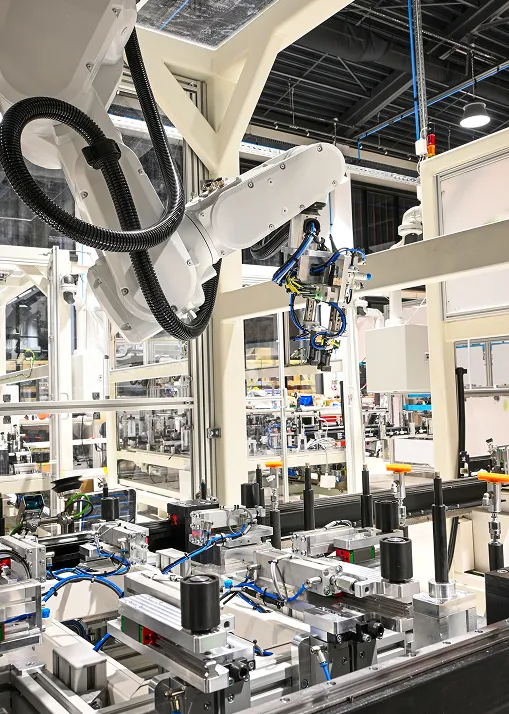
We design fully automated or semi-automated assembly lines that handle component feeding, part joining, fastening, and sub-assembly without relying on manual intervention at every stage. Systems are built around your product, cycle time targets, and available floor space.
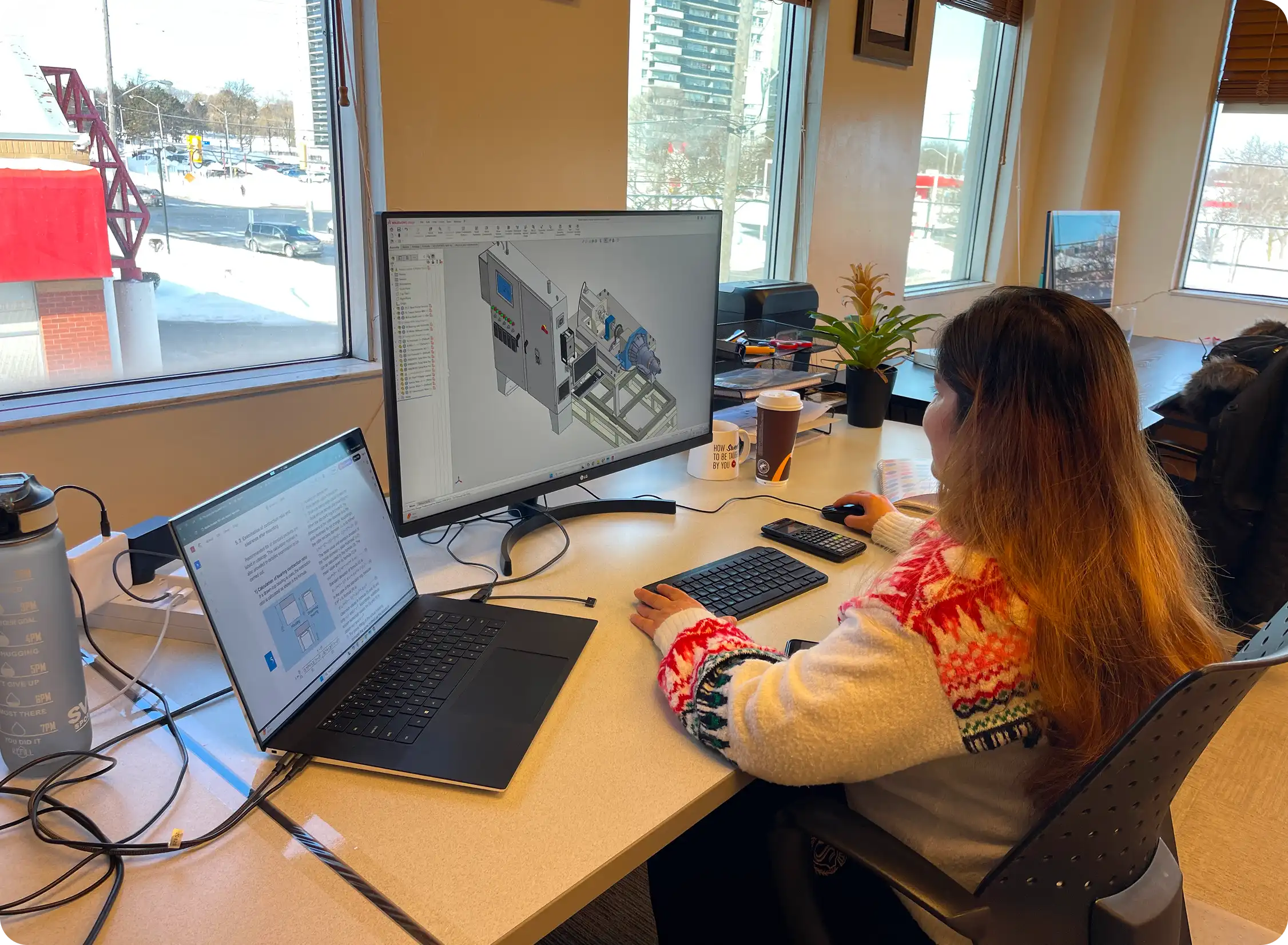
Industrial robots integrated directly into your production sequence for pick-and-place, material transfer, welding, screwdriving, adhesive application, or any repetitive task that benefits from consistent, high-speed execution. We handle robot selection, end-of-arm tooling, and full cell integration.
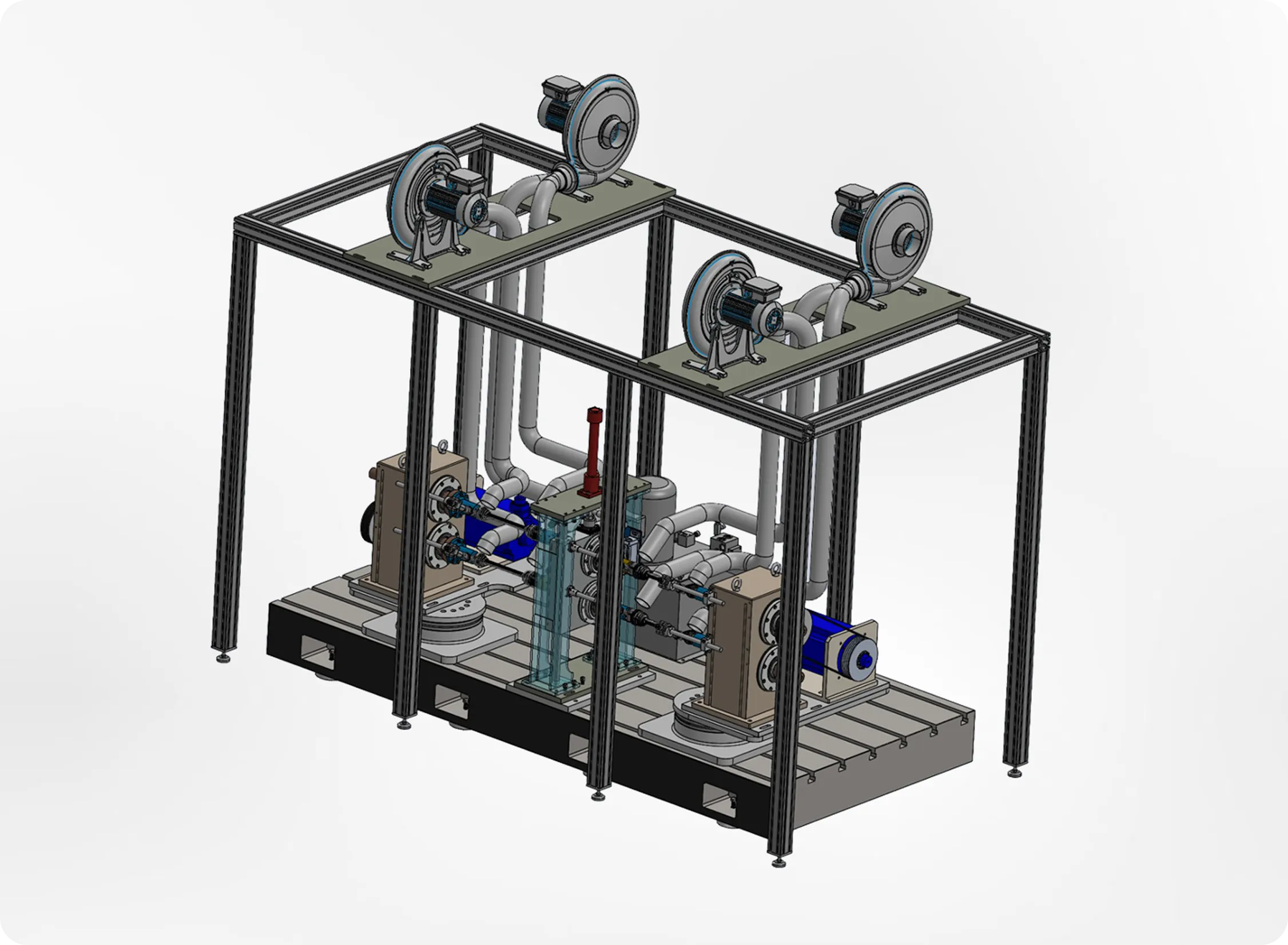
Conveyors, lift systems, shuttles, and guided vehicles that move raw material, work-in-progress, and finished goods through your facility without unnecessary manual transport. Material handling automation reduces labour dependency and keeps production flowing between workstations.
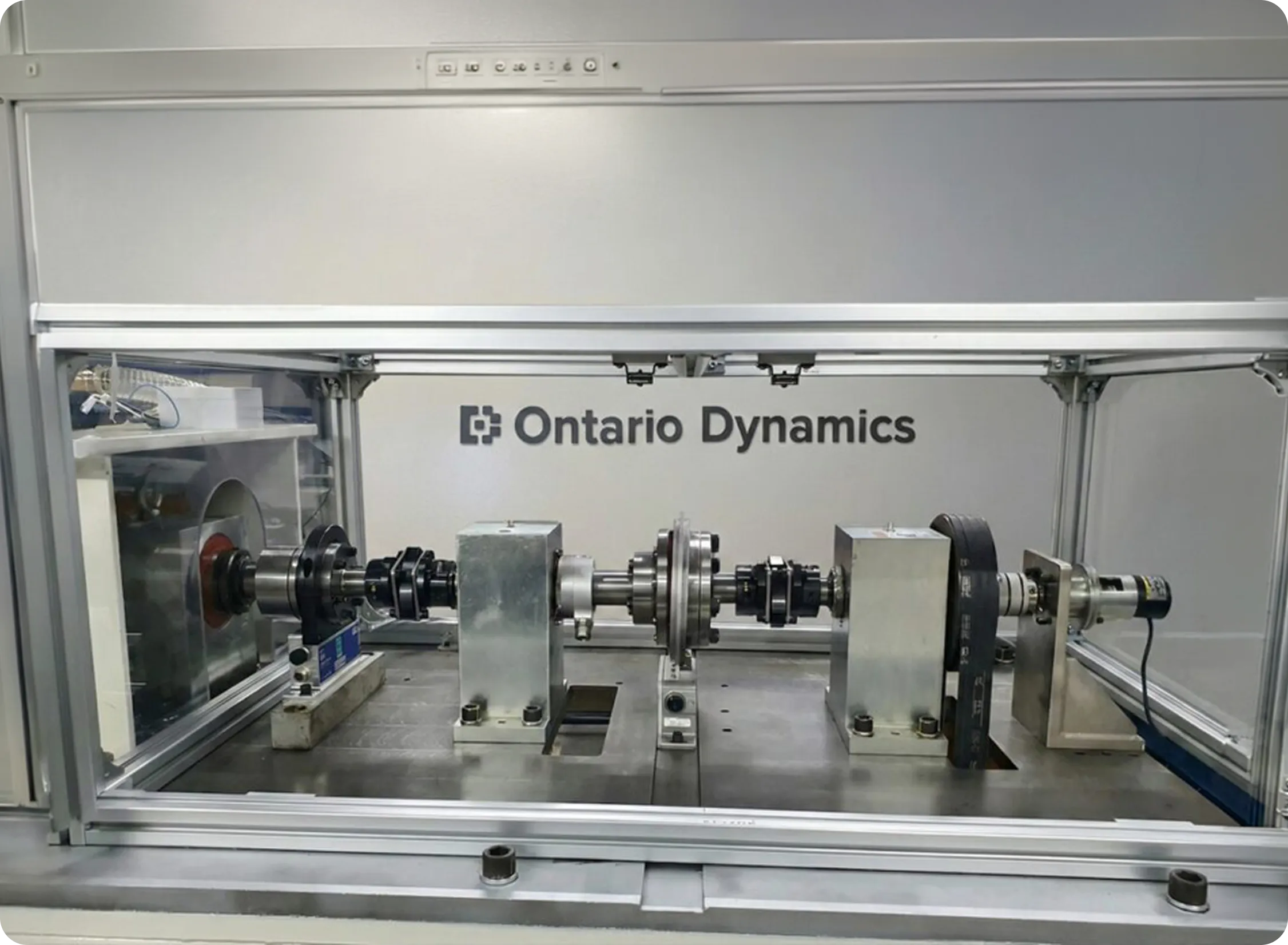
Camera-based inspection systems that check part dimensions, surface quality, assembly completeness, label placement, and defect presence at line speed. Vision systems catch quality issues in real time without slowing the line or relying on end-of-line manual inspection.
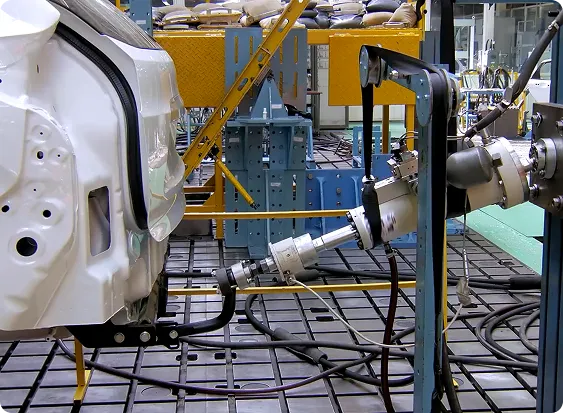
Automated systems for product wrapping, cartoning, labelling, case packing, and sealing. Packaging automation is one of the most labour-intensive areas in manufacturing and one of the highest-return targets for automation investment.
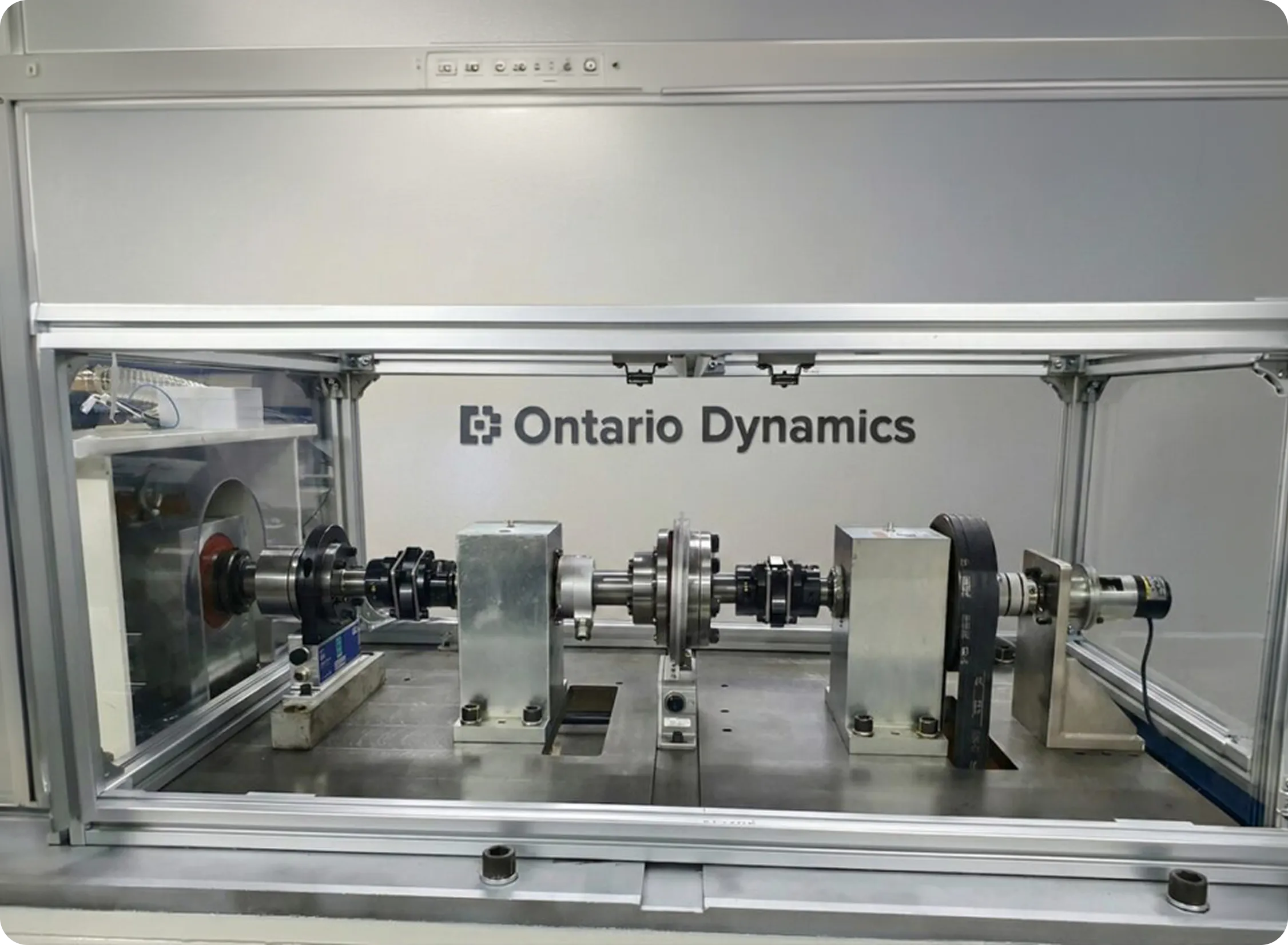
We connect your automated systems to MES, ERP, and SCADA platforms so production data is visible, traceable, and actionable. Smart factory integration turns your automated line into a source of operational intelligence, not just a production machine.
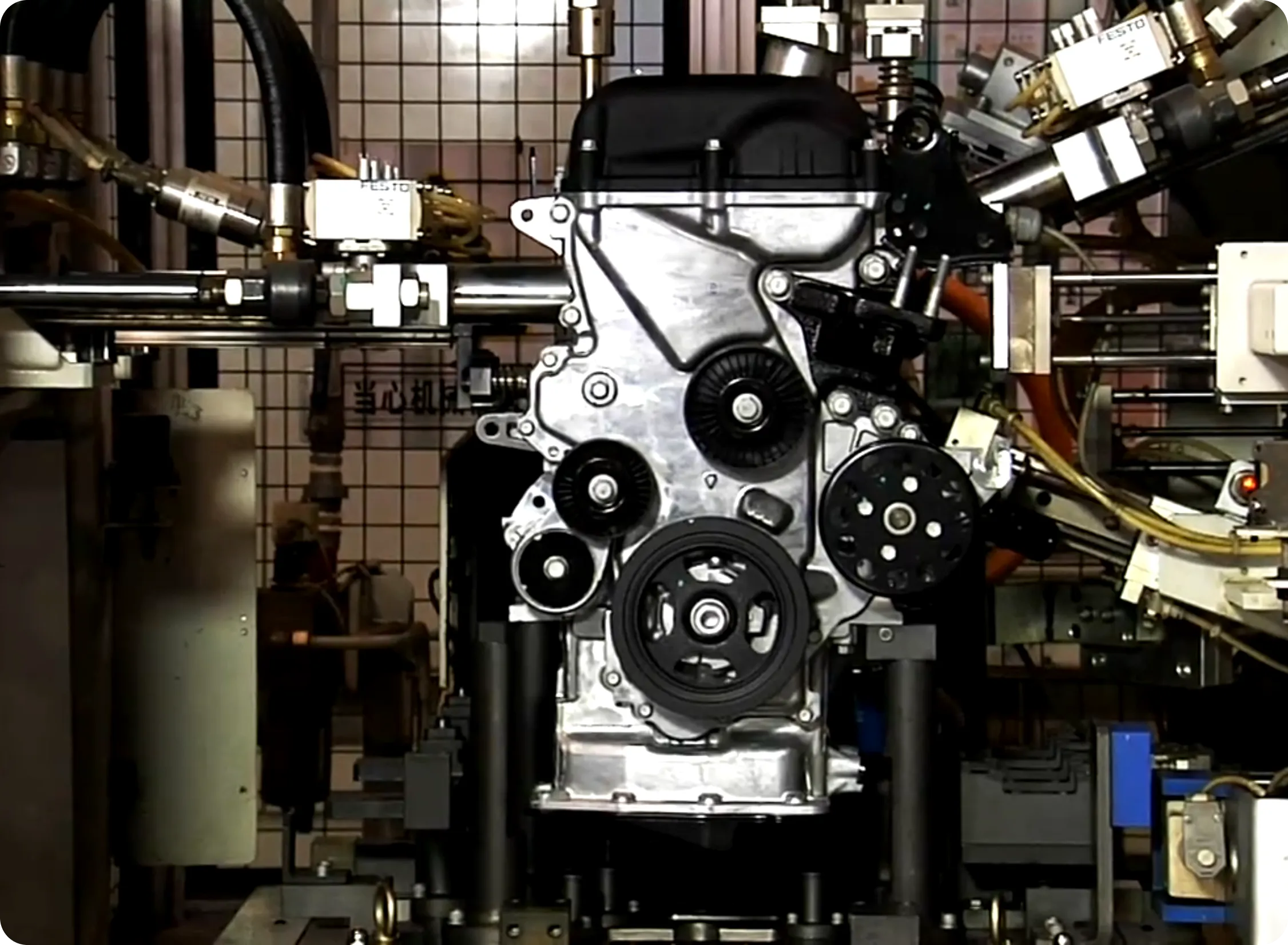
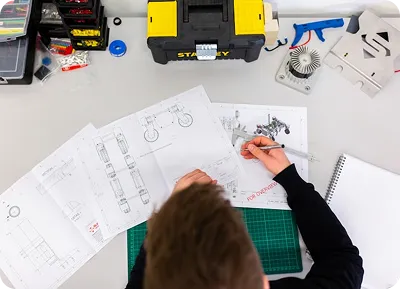
We start by understanding your production goals, current bottlenecks, part volumes, facility layout, and operational constraints. This is not a sales call, it is an honest technical review of where automation will deliver real value for your operation and where it will not.
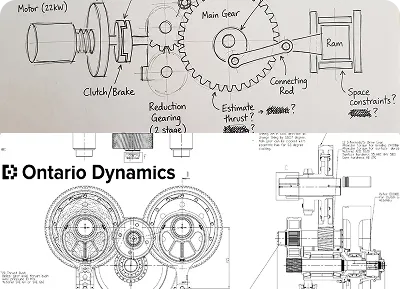
At this stage, we shape the right custom production line automation concept around your product, process, floor space, safety needs, and production targets.
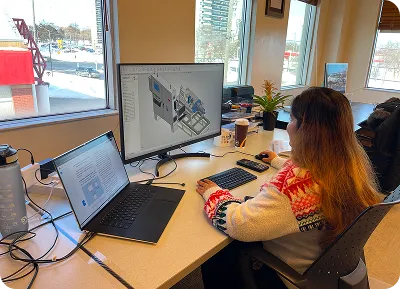
We build the mechanical systems, control panels, end-of-arm tooling, fixtures, and software that make up your automated line. Development is managed with regular progress updates so you stay informed throughout fabrication without needing to chase information.
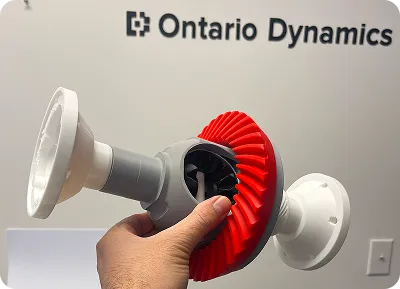
All components, robots, conveyors, sensors, vision systems, and controls, are integrated into a unified system at our facility before delivery. Careful production line integration helps ensure robots, conveyors, sensors, controls, and safety systems work together as one complete system.
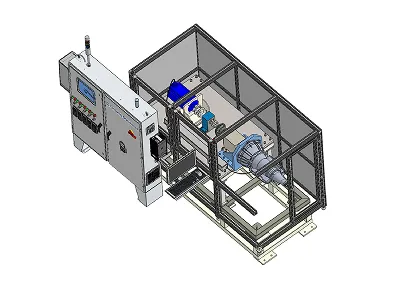
We run full production trials using your actual parts and materials, validate cycle times, test fault recovery, and confirm safety system behaviour before sign-off. Nothing is handed over until the line performs consistently against the agreed specifications.
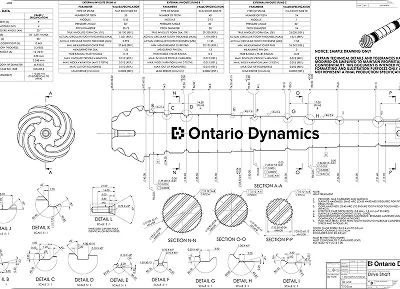
After commissioning, we provide operator and maintenance training, documentation, and ongoing support. We remain available for performance optimization, system modifications, and troubleshooting as your production requirements change over time
Strong industrial automation solutions depend on the right mix of equipment, controls, sensors, software, and integration planning. Ontario Dynamics selects technology based on the job, not on a fixed package. Ontario Dynamics works with the full range of industrial automation technologies to build production lines that are capable, maintainable, and ready to scale.
Industrial Robots, FANUC, KUKA, ABB, Yaskawa, and UR collaborative robots for assembly, handling, welding, and inspection tasks
PLC Controls, Allen-Bradley, Siemens, and Mitsubishi PLC platforms for reliable machine control and line sequencing
Vision Systems, Cognex, Keyence, and custom camera systems for inline inspection, guidance, and traceability
Conveyors, Belt, roller, chain, and overhead conveyor systems matched to your part type and production flow.
AGVs & AMRs, Autonomous guided and mobile robots for flexible material transport across your facility
IoT Sensors, Proximity, force, temperature, vibration, and flow sensors that feed real-time data into your control and monitoring systems
MES / ERP Integration, Connection to your manufacturing execution and enterprise resource planning systems for production scheduling and traceability
SCADA, Supervisory control and data acquisition platforms for line monitoring, data logging, and performance dashboards
Every production line has different pressure points. Some manufacturers need robotic automation at one station, while others need full factory automation systems across feeding, assembly, inspection, packaging, palletizing, and warehouse movement.
Manufacturers often look for production automation solutions when the same problems keep slowing the line down. Bottlenecks, labour gaps, inconsistent quality, downtime, and poor visibility can all limit growth if the line is not designed to run as one connected system.
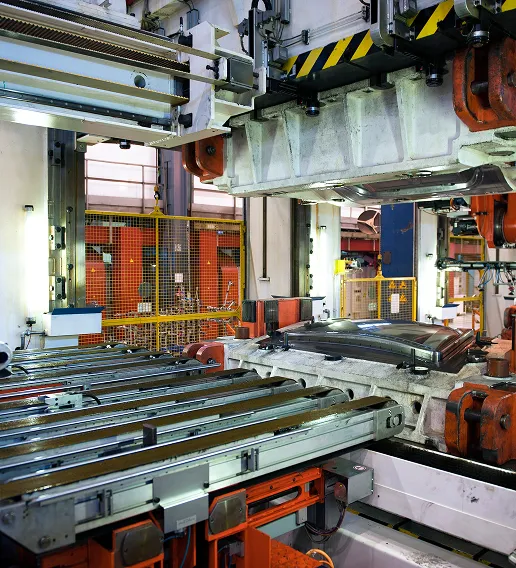
Our automotive production line automation systems support fast cycle times, consistent quality, traceability, and repeatable handling across high-volume manufacturing environments.
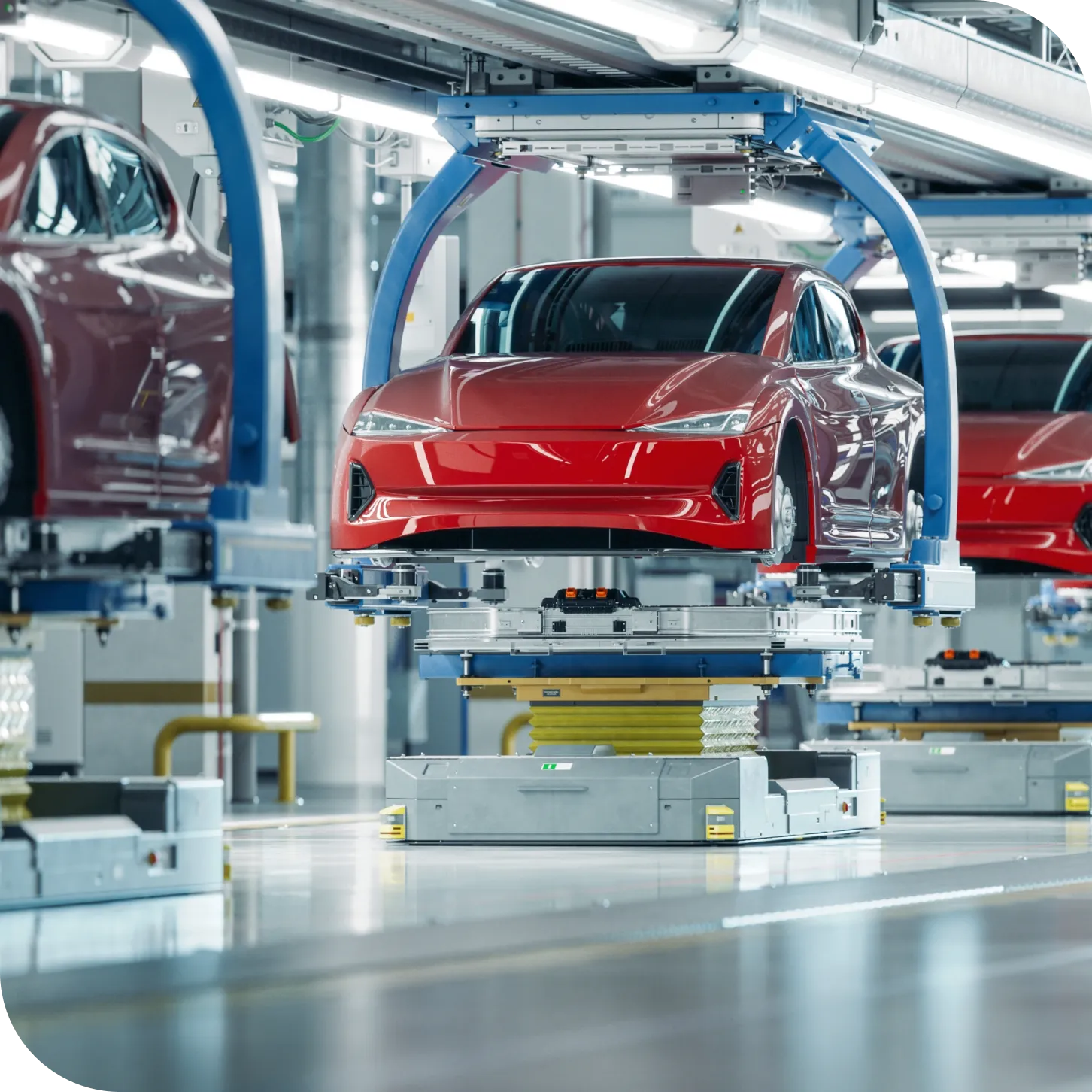
We design industrial automation solutions for equipment manufacturers that need to move, assemble, inspect, or package large parts with accuracy and control.
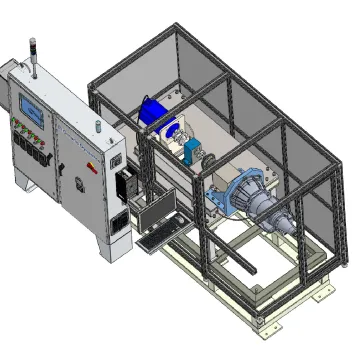
We design industrial automation solutions for equipment manufacturers that need to move, assemble, inspect, or package large parts with accuracy and control.
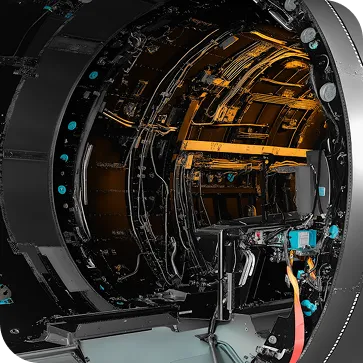
Clean, controlled, and fully traceable automated assembly and inspection for medical components and devices. We understand the regulatory environment and design systems that support compliance without sacrificing throughput.
Precision handling, component placement, and inspection systems for electronics manufacturing. Fast cycle times and tight tolerances are standard expectations in this industry, and our automation is engineered accordingly.
Our packaging automation systems and high-speed assembly solutions help consumer product manufacturers improve output while reducing repetitive manual work.

Ontario Dynamics works as a practical production automation company for manufacturers that need engineered systems, not generic equipment packages.
We work with manufacturers who take their operations seriously and want an automation partner who does the same.
Custom line engineering, every system is designed from the ground up for your product, process, and facility.
Practical manufacturing knowledge, our engineers understand production environments, not just automation theory.
Full-scope capability, from mechanical design and fabrication through controls, integration, and commissioning
Technology-agnostic approach, we select the right robots, PLCs, and sensors for the job, not the ones that are most familiar to us.
Legacy equipment experience, we know how to integrate automation with older machinery that cannot be replaced
Post-commissioning support, we stay available after handover to help your team get the most out of the system
Find quick answers to the most common questions about our services, process, and support
Production line automation is the use of machines, robots, control systems, and sensors to manage and execute manufacturing steps without continuous manual intervention.
Automation improves manufacturing by removing the variability and limitations that come with manual operations. Automated lines run at consistent speeds, maintain part quality across long production runs, reduce reliance on labour for repetitive tasks, and provide data that helps identify problems before they become costly.
Most production lines can be fully or partially automated regardless of industry. Assembly lines, stamping lines, welding lines, inspection lines, and packaging lines are all strong candidates.
Automation investment varies significantly depending on the scope of the project, the number of stations, robot and equipment selection, and control complexity. A single automated cell may require a fraction of what a full multi-station line costs.
A single automated cell or station can typically be designed, built, and commissioned in three to five months. A full production line automation project covering multiple stations, robots, conveyors, vision systems, and controls will take longer depending on complexity.
Yes. Partial or phased automation of an existing line is often the most practical approach. This approach lets you automate incrementally without replacing your entire production infrastructure at once.
Manual production lines depend on operators to move parts, perform assembly steps, conduct inspections, and manage flow between stations. Automated lines use machines, robots, and control systems to handle these tasks. Automated lines produce more consistent output, run at tighter cycle times, are less affected by labour availability and turnover, and generate data that supports continuous improvement.
Production line automation is used across virtually every manufacturing industry. Automotive, industrial equipment, aerospace, medical devices, electronics, consumer products, food processing, pharmaceuticals, and packaging are among the most common.
Custom production line automation means the system is designed around your product, process, equipment, floor space, cycle time, and quality requirements instead of being built from a standard package.
Turnkey production line automation means one team manages the full scope, including design, equipment selection, fabrication, controls, integration, testing, commissioning, training, and support.
Yes. Ontario Dynamics provides manufacturing automation solutions for production lines, assembly lines, robotic cells, inspection systems, packaging systems, and material handling processes across Ontario and beyond.
Factory automation can refer to automation across a wider facility. Production line automation focuses on improving a specific line or process, such as assembly, inspection, packaging, material handling, or finished product movement.

Services
Company