

Turn your product idea, CAD file, or early concept into a practical prototype that can be tested, improved, and prepared for production.Ontario Dynamics provides product prototyping services for industrial teams, manufacturers, product developers, and companies that need more than a basic sample. We help you move from concept to a working prototype with clear planning, practical design review, and support for real manufacturing needs.
A product can look ready in CAD and still create problems during assembly, testing, or production. Small design gaps can turn into expensive changes when they are found too late. That is why prototyping belongs inside a proper product development process.
A prototype gives your team a real version of the product to review before full production begins. It helps you check how parts fit, how the product moves, how it will be assembled, and whether the design can be manufactured at scale. Ontario Dynamics supports prototype development services for teams that need clear answers before investing in tooling, supplier orders, or production.
Industrial products need to work in real conditions. Ontario Dynamics supports industrial prototyping for physical products, product parts, mechanical components, fixtures, and functional assemblies used in industrial environments. This helps teams review fit, strength, access, movement, usability, and production readiness before final manufacturing begins.
Industrial prototyping is useful when a product component must be checked before it becomes part of a larger system. Full machines and equipment are built to approved specifications, but the parts, fixtures, mounts, guards, and assemblies used within them can be reviewed, tested, and improved through a practical prototype process.
Prototyping for industrial equipment should be understood as prototyping the product parts and components used within equipment, not prototyping the complete equipment itself. This keeps the process accurate while still helping teams reduce design risk before production.
Ontario Dynamics uses prototyping for industrial equipment components to help confirm mounting points, access, movement, assembly steps, material choice, and real-world use before the final product or component moves ahead.
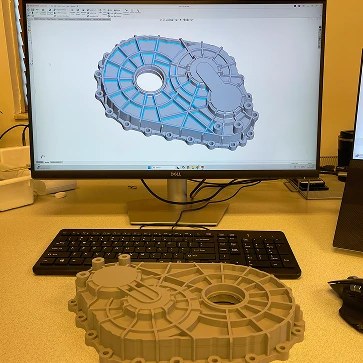
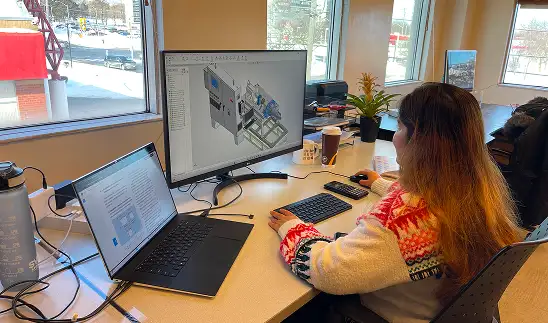
If you already have drawings or CAD files, Ontario Dynamics can review them before the prototype is built. Our CAD prototyping services help identify fit issues, tolerance concerns, part risks, material questions, assembly problems, and possible manufacturing challenges before fabrication begins.
We surface mechanical uncertainty early through analysis, models, prototypes, and targeted checks. This supports better decisions before final drawings, fabrication, or production planning begins.
Some projects need answers quickly. A fast prototyping service helps your team review a design, test a part, or compare options without waiting for a full production cycle. Speed matters, but the prototype still needs to support a clear decision.
Our prototype development services support more than one step. We help with concept review, CAD updates, material selection, prototype planning, fabrication support, testing review, and production readiness. This gives your team a clearer path from idea to final product.
A rapid prototyping service helps you move faster when the design is still being tested or improved. It is useful for early validation, fit checks, part comparison, assembly review, and functional testing before the product moves toward production.
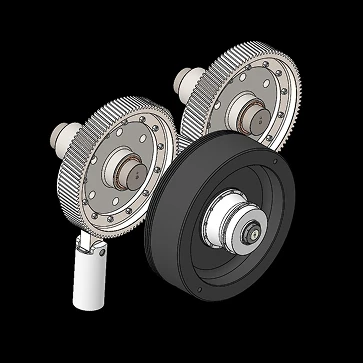
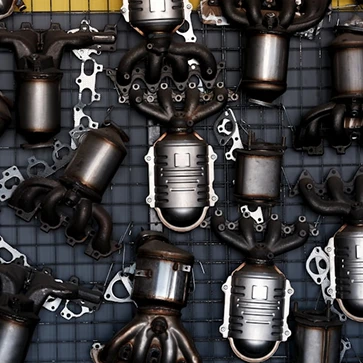
Automotive and transportation products often need tight control over fit, durability, packaging, and assembly. Prototypes can support early review of brackets, housings, covers, mounts, adapters, powertrain-related components, vehicle-integrated mechanisms, and functional interior or exterior parts. This helps teams check clearances, service access, vibration concerns, fastening points, and production feasibility before final tooling or manufacturing decisions are made.
Industrial products often include guards, access panels, mounting plates, housings, covers, guides, brackets, and other functional parts used in demanding environments. Prototyping helps confirm how these parts will be installed, handled, maintained, and used under real operating conditions.
Consumer device prototypes need to balance function, usability, appearance, and manufacturability. A physical prototype helps teams review product size, grip, enclosure design, button placement, part fit, user access, and assembly flow. It also gives decision-makers something practical to test, compare, and refine before committing to molds, tooling, or larger production runs.
Aerospace and defence-related components require careful review of geometry, material selection, documentation, assembly fit, weight, access, and inspection requirements. Early prototypes help teams test part form, verify mounting details, check tolerance concerns, and review how components may perform within larger assemblies. This reduces uncertainty before design approval, supplier coordination, or production planning.
Medical device prototypes often require close attention to ergonomics, usability, cleanliness, assembly, material suitability, and functional reliability. Prototypes can help teams evaluate housings, handles, covers, brackets, enclosures, fixtures, and support components before final production. This early review is especially useful when a product must be easy to handle, consistent to assemble, and practical for real-world use.
Robotics and automation products may involve grippers, nests, guides, mounts, covers, brackets, sensor mounts, end-of-arm components, and part-handling features. Prototyping helps test movement clearance, repeatability, alignment, access, fastening points, and part interaction before the final product version is produced.
We start by learning what the product needs to do, where it will be used, and what the prototype must prove. We review your concept, CAD file, sample part, drawing, or product requirement before recommending the next step.
The CAD file is reviewed for fit, function, tolerances, part strength, assembly needs, and manufacturing concerns. If improvements are needed, the design is refined before prototype manufacturing begins.
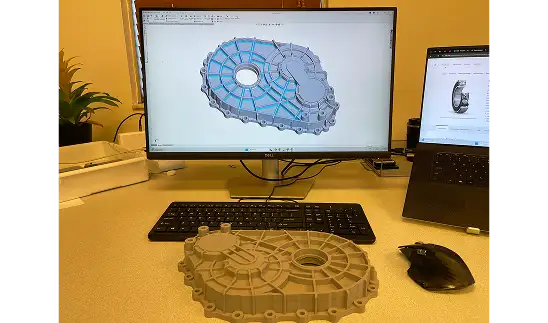
Different prototypes need different methods. Some need CNC machining. Some need 3D printing. Others need sheet metal, welding, fabrication, or a mixed approach. We help choose the right method based on use, cost, timing, and testing needs.
Once the design and method are approved, the prototype is built. This may include machined parts, printed parts, fabricated components, brackets, housings, fixtures, or full assemblies.

The prototype is reviewed for fit, movement, assembly, clearances, material behaviour, and practical use. This stage helps your team find what works and what still needs to change.
After testing, we help prepare the design for the next stage. This may include CAD updates, DFM review, drawing support, supplier-ready details, small-batch planning, or production handoff support.

Ontario Dynamics supports prototype manufacturing through practical methods that match the purpose of the product. The method is chosen based on what the prototype needs to prove.
CNC machining is useful when a prototype needs accurate dimensions, strong materials, and reliable performance. It works well for functional parts, brackets, mounts, housings, shafts, plates, and mechanical components.
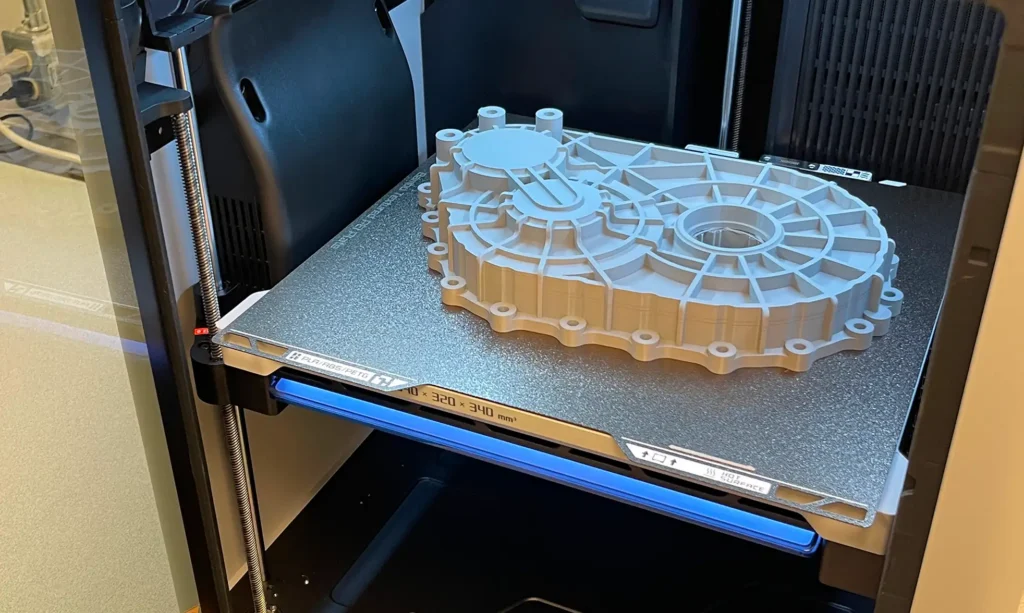
3D printing is useful for quick fit checks, early concept models, visual review, and low-load functional testing. It helps teams compare design options before moving to more costly production methods.
Sheet metal prototypes are useful for guards, covers, panels, brackets, enclosures, and formed parts. They help check bends, fastening points, clearances, and assembly behaviour.
Many prototype shops can make a part from a file. That is helpful, but it is not always enough.
Industrial teams often need deeper support. They need someone to review the design, understand how the product will be used, consider manufacturing limits, and help reduce production risk.
Ontario Dynamics supports companies that need practical product development and prototyping services in Canada. We help you think through the prototype before it is built, so the finished part gives your team useful answers.
Practical design review before manufacturing, Experience with industrial and mechanical products, Functional prototypes built for real-world testing.
Support from concept validation through pre-production, Faster design iterations that reduce development risk.
CNC machining, fabrication, and assembly capabilities under one roof, Collaborative approach focused on manufacturability and product performance.
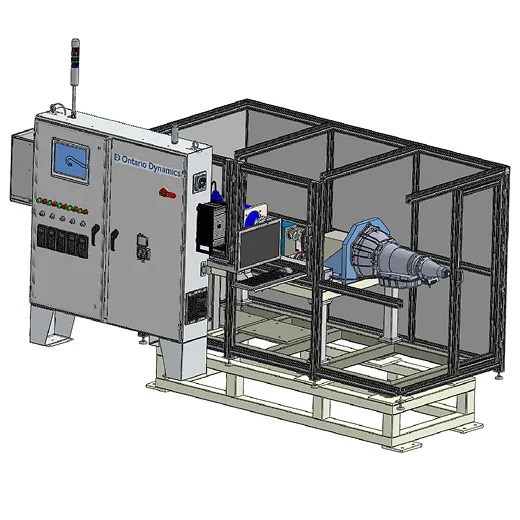
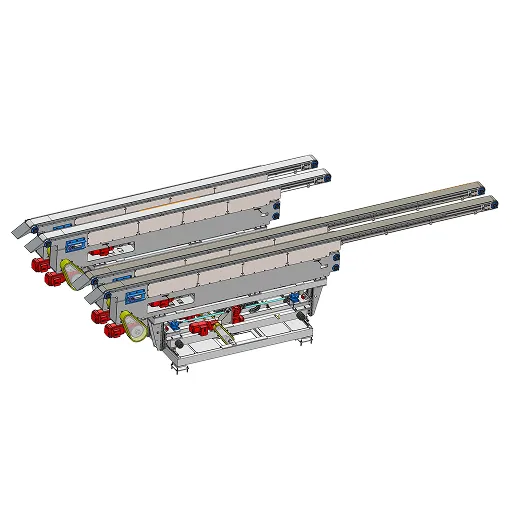
An industrial automation prototype can help test a part-handling method, fixture concept, guide system, guard, or moving assembly before the full system is built. This reduces the chance of delays during installation or production startup.
Mechanical equipment prototypes help teams review structure, access, mounting, part fit, and assembly steps. They are useful when the product must perform under repeated use or industrial conditions.
A functional CNC prototype is useful when accuracy, strength, and material performance matter. These prototypes can support fit checks, testing, supplier review, and pre-production decisions.
Custom fixtures are often needed for testing, assembly, inspection, or repeatable production tasks. A prototype fixture helps confirm part holding, access, repeatability, and operator use before the final version is made.
A pre-production prototype is closer to the final product. It helps confirm whether the design is ready for supplier review, customer testing, small-batch
Ontario Dynamics supports prototype projects where real-world use matters. These projects may involve industrial products, mechanical equipment, functional parts, custom fixtures, product enclosures, or pre-production assemblies.
An industrial automation prototype can help test a part-handling method, fixture concept, guide system, guard, or moving assembly before the full system is built. This reduces the chance of delays during installation or production startup.
Mechanical equipment prototypes help teams review structure, access, mounting, part fit, and assembly steps. They are useful when the product must perform under repeated use or industrial conditions.
A functional CNC prototype is useful when accuracy, strength, and material performance matter. These prototypes can support fit checks, testing, supplier review, and pre-production decisions.
Custom fixtures are often needed for testing, assembly, inspection, or repeatable production tasks. A prototype fixture helps confirm part holding, access, repeatability, and operator use before the final version is made.
Product enclosures must protect internal parts, allow access, and support clean assembly. A prototype helps check wall thickness, fasteners, openings, clearances, and final product layout.
A pre-production prototype is closer to the final product. It helps confirm whether the design is ready for supplier review, customer testing, small-batch builds, and production planning.


Concept to Production Success Story
Precision-engineered automotive components developed for durability, manufacturability, and real-world performance compliance.
A prototype should help your team make better decisions. It should show what works, what needs to change, and what is ready for the next stage.
Ontario Dynamics helps industrial teams move from CAD, concept, or early design into a practical prototype. Whether you need one part, a functional assembly, a test-ready model, or production readiness support, the process starts with a clear review.
Find quick answers to the most common questions about our services, process, and support
Product prototyping services help turn a concept, CAD file, or early design into a physical prototype. The purpose is to test fit, function, assembly, material choice, and production readiness before full manufacturing begins.
A rapid prototyping service helps create early prototypes faster so teams can test ideas, compare design options, and make decisions before production. It is useful when the product is still being reviewed or improved.
Yes. Ontario Dynamics provides prototyping services in Canada for industrial teams, manufacturers, product developers, and companies that need practical support from concept review to prototype manufacturing.
Prototype manufacturing is the process of making a physical part, assembly, or working model before full production. It may include CNC machining, 3D printing, sheet metal fabrication, welding, assembly, or small-batch production.
Prototyping is the full process of planning, reviewing, building, and testing a prototype. Prototype manufacturing focuses on making the physical part or assembly.
Yes. Ontario Dynamics can review existing CAD files and provide CAD prototyping services. This may include fit review, tolerance checks, material guidance, DFM review, and updates before the prototype is made.
Yes. Ontario Dynamics supports prototyping for industrial equipment components, product parts, fixtures, mounts, assemblies, and test-related parts. Full machines and equipment are built to approved specifications, but the parts used within those systems can be prototyped, tested, and improved before production.
Timelines depend on the product size, complexity, materials, and manufacturing method. A simple part may move quickly, while a functional industrial prototype may need more review, fabrication, and testing time.
A fast prototyping service is used when a team needs a quick physical part or model to support a decision. It can help with fit checks, design review, internal approval, or early testing.
Ontario Dynamics supports concept review, CAD updates, design optimization, material selection, prototype planning, prototype manufacturing, functional review, and production readiness support.
Yes. If you already have a prototype, Ontario Dynamics can review it for fit issues, assembly problems, material limits, manufacturing concerns, and next-stage improvements.
Yes. Prototype projects often involve confidential product ideas, drawings, and production details. Ontario Dynamics can work with confidentiality requirements before project files are shared.
Yes. Ontario Dynamics can support low-volume prototype manufacturing for testing, field trials, customer review, internal approval, and pre-production planning.
Ontario Dynamics focuses on practical product development, CAD review, DFM, industrial use, testing needs, and production readiness. The goal is not only to make a part, but to help your team build a better product.
You should contact a rapid prototyping company when your design needs physical testing, fit review, function checks, or early validation before production. Early support can help prevent expensive changes later.
Yes. Ontario Dynamics can support the next steps after prototyping, including design updates, documentation, supplier-ready drawings, DFM review, test planning, and production readiness support.
Services
Company