
Ontario Dynamics builds purpose-built NVH test systems for measuring and evaluating noise, vibration, and harshness in automotive components, EV drivetrains, and electromechanical assemblies. If a part makes a sound it shouldn’t, vibrates more than it should, or needs to pass an acoustic quality check before it ships, that’s what our automotive NVH testing systems are built to catch.
NVH stands for Noise, Vibration, and Harshness. In practice, it’s the set of tests used to find and measure the sounds and movements a component produces that shouldn’t be there, or to confirm the ones that are expected fall within an acceptable range.
Good NVH testing solutions help identify unwanted noise, excessive vibration, resonances, rattles, mechanical imbalance, bearing or gear behaviour, assembly defects, structural vibration, and general acoustic quality issues. This connects directly to a well-established idea in the industry: NVH testing exists to trace noise and vibration back to their source and improve how a vehicle or component actually sounds and feels in operation. It’s not just a checkbox test, it’s how problems get found before they become warranty claims.

Our automotive NVH test systems are built around the specific part in front of us, but the components we work with most often include:
EV components get special attention here, and for good reason. Electrification changes what NVH testing needs to catch, and it’s quickly become one of the most important areas in automotive vibration testing today.
Identify unwanted sound or abnormal operating noise before it becomes a customer complaint.
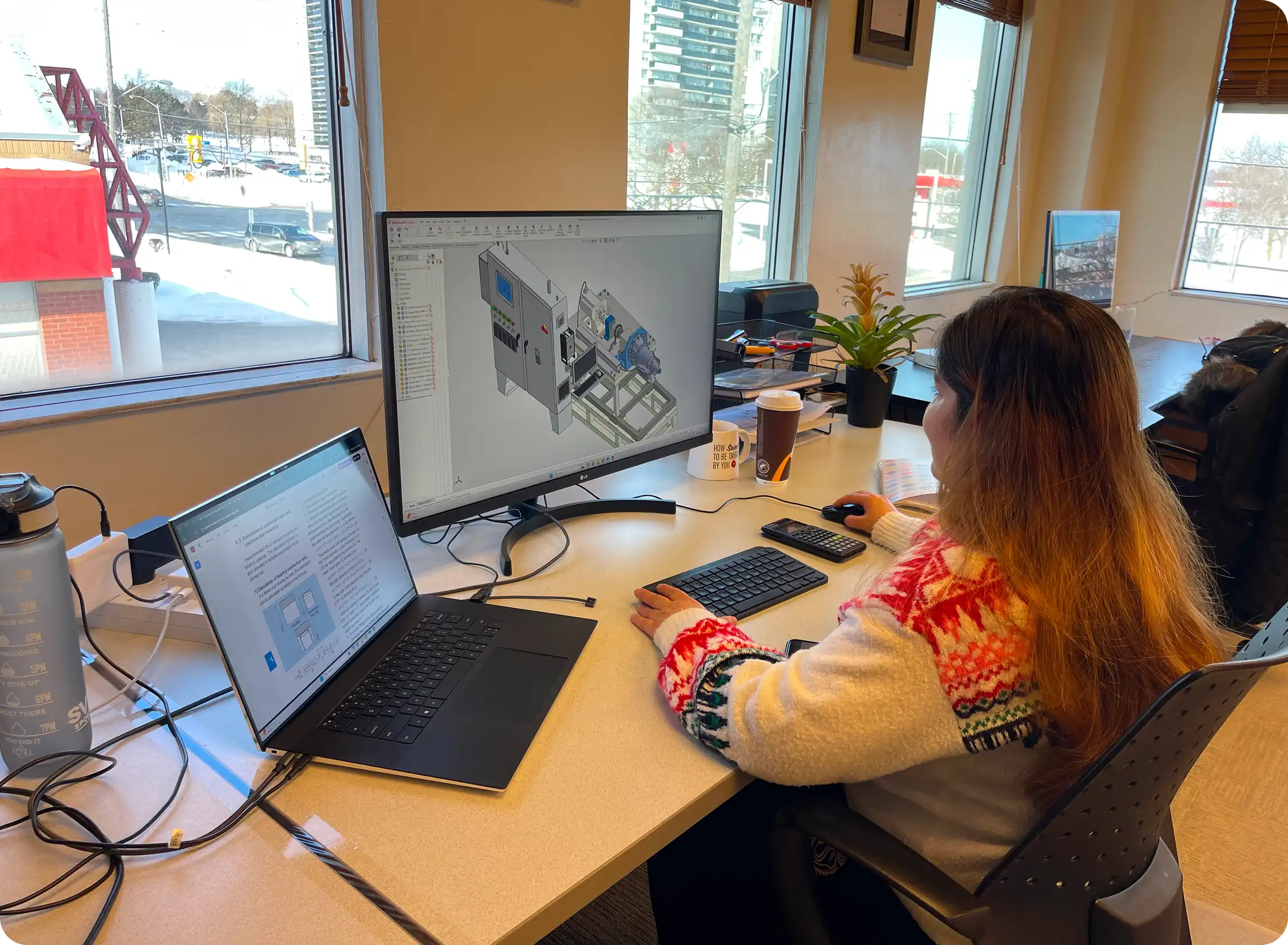
Measure vibration magnitude and behaviour under real operating conditions, not idealized ones.
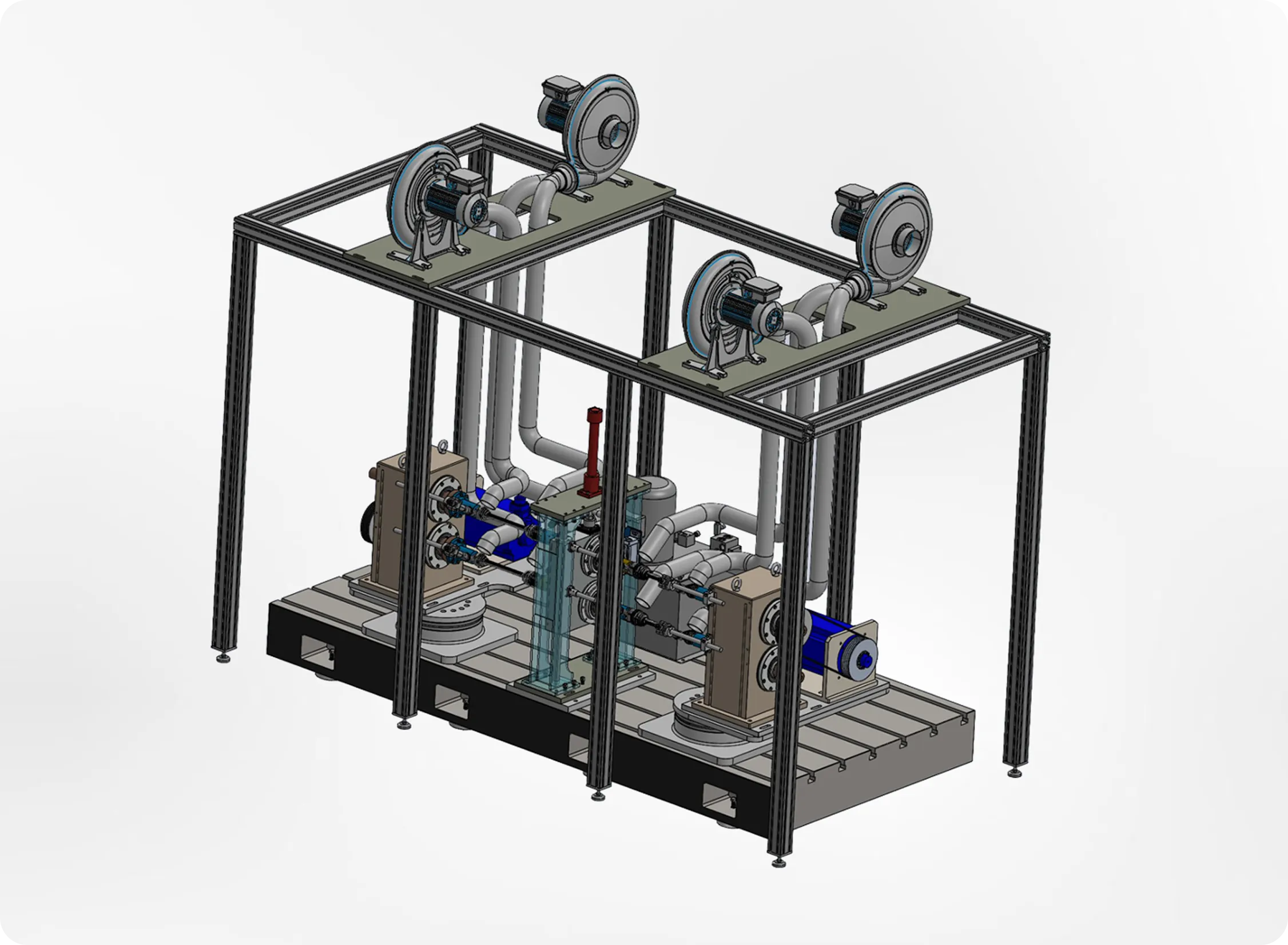
Evaluate motors, gears, bearings, shafts, and rotating assemblies where imbalance and resonance issues tend to hide.
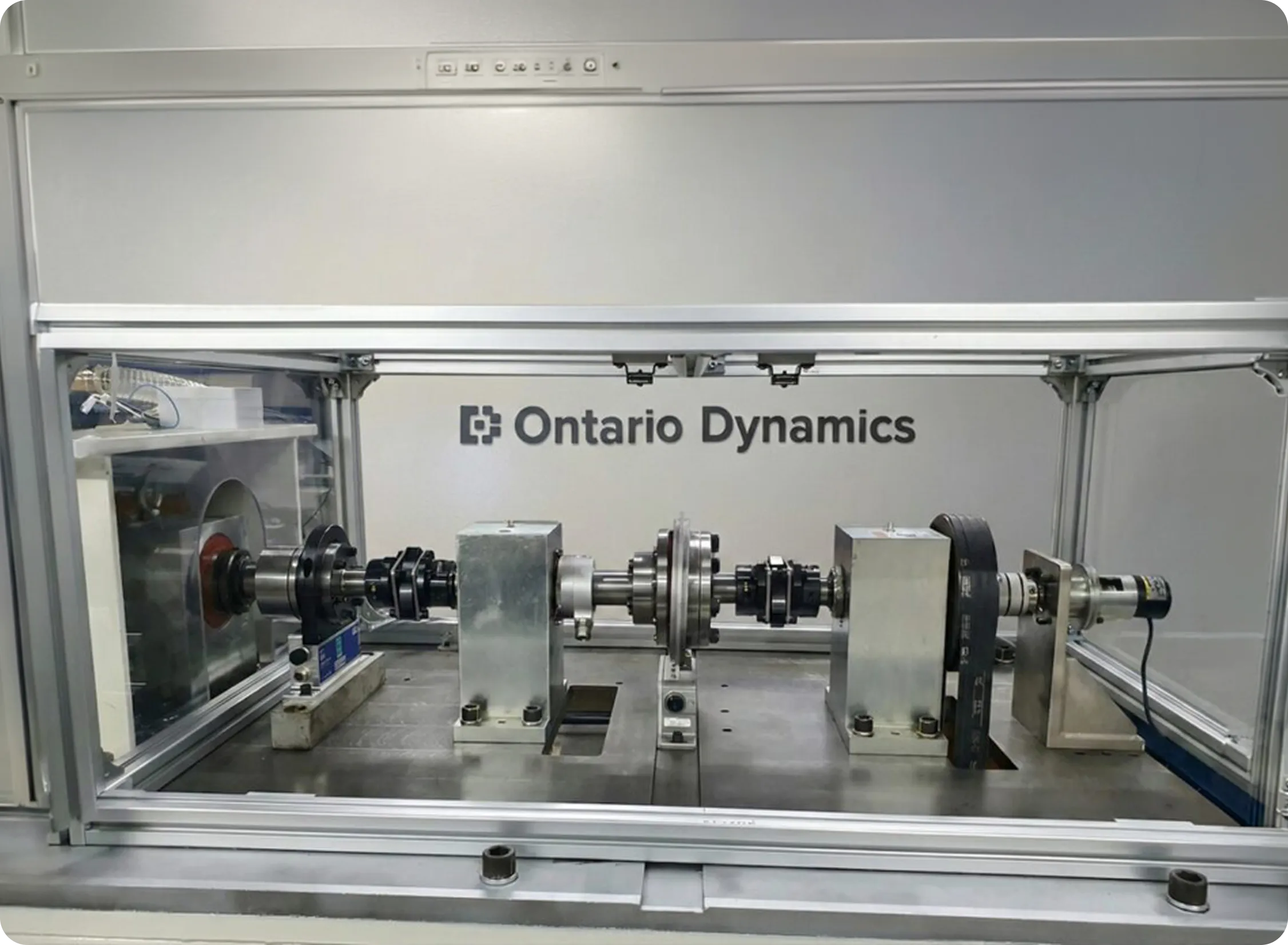
Understand how a mechanical structure or assembly actually behaves under vibration, not just how it’s supposed to on paper.
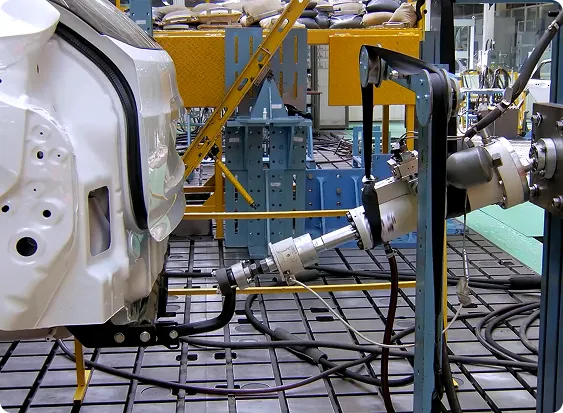
Track down the unwanted noises caused by movement or contact between components.
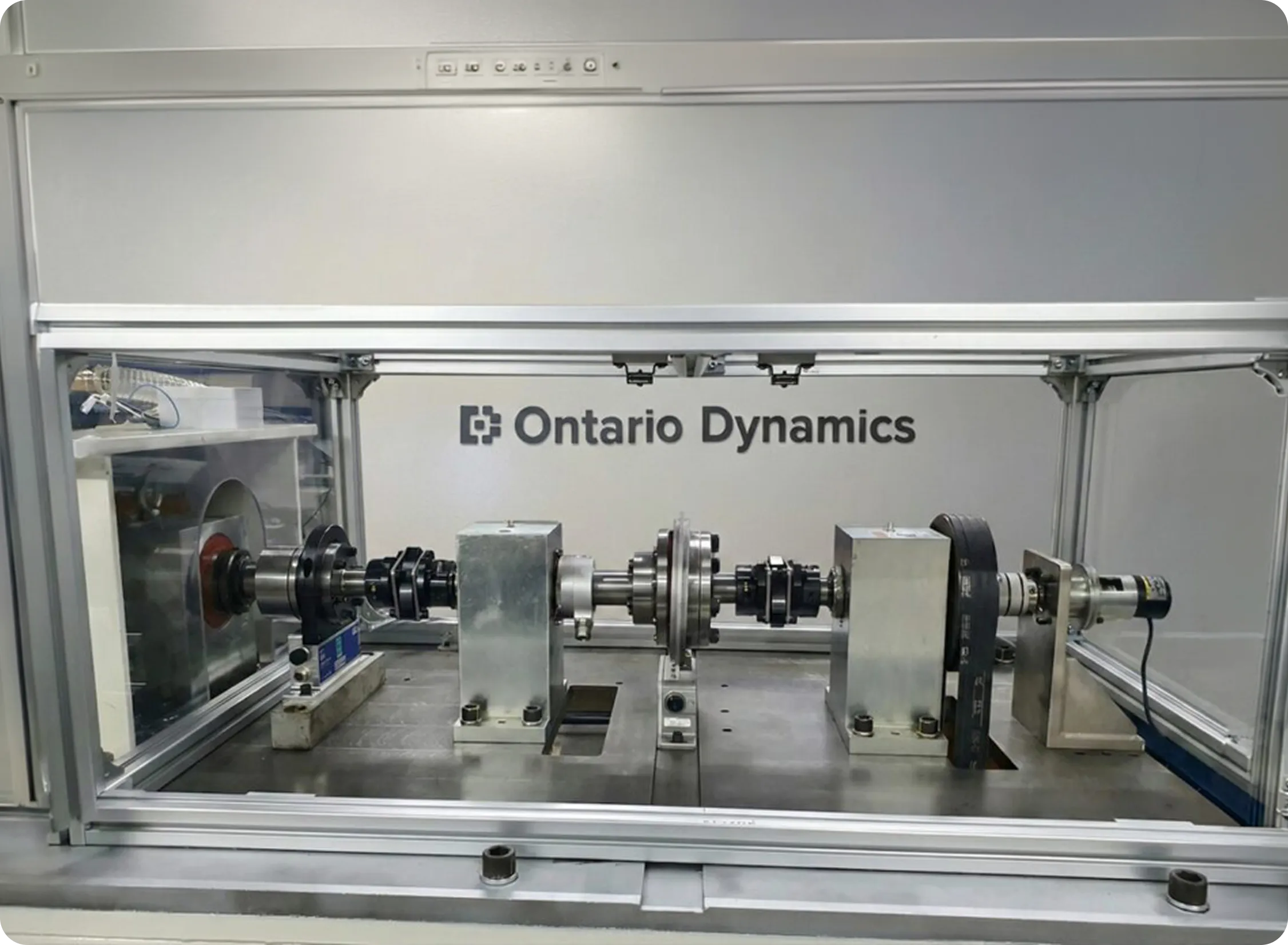
Detect abnormal sound or vibration on the line, as part of production validation. This kind of testing is directly tied to end-of-line quality decisions, including catching assembly or processing issues before a defective part ever leaves the building.

Accelerometers and force measurement tend to carry the most weight in a well-built vibration measurement system, especially when everything needs to be captured on a synchronized timeline rather than pieced together after the fact.

EV NVH testing deserves its own conversation, because it’s a genuinely different problem than traditional combustion NVH work.
In a gas-powered vehicle, engine noise tends to mask a lot of what’s happening underneath it. Take that noise away, which is exactly what happens in an electric vehicle, and suddenly motor tonal noise, gear whine, bearing noise, and other high-frequency behaviour become far more noticeable to the people sitting in the cabin. This is one of the defining challenges of modern electrified powertrains, and it’s a big part of why electric motor NVH testing has become its own discipline rather than a footnote in a broader test plan.
Applications we build for in this space include:
This is a deliberately narrow focus, and that’s the point. Generic “noise testing” doesn’t address what’s actually happening inside an electric drivetrain, powertrain NVH testing for EV applications requires a different measurement approach entirely.
This is where a lot of NVH testing setups fall short, they treat the instrument as the whole solution and leave the mechanical environment around it as an afterthought. We do the opposite.
Every NVH test bench we build starts with the physical realities of your component:
We’re not simply supplying a sensor and a data logger. We design the full mechanical test environment around your component first, then build the measurement system into it, which means the data you get back actually reflects how the part behaves in real conditions, not how it behaves bolted to a generic fixture that wasn’t built for it.
Accelerometers and other supported measurement devices, placed where they'll actually capture what matters.
PLC/HMI-driven operation, automated where the application calls for it.
RPM, load, torque, motion, or whatever parameter the test actually depends on.
Confirm functional response and performance before a unit moves downstream.
Electrical and functional checks across connected systems.
Test results stored and organized for review, whether that's a development team digging into root cause or a quality team tracking trends over time.
Automation, sensor integration, and real-time data tools aren’t add-ons here, they’re built into how our NVH testing equipment operates from the start.
These two approaches solve different problems, and a good NVH program usually needs both. Development testing digs into why a noise or vibration issue exists in the first place. Production testing simply needs to catch it fast, consistently, and without slowing the line down. If you’re looking specifically at automated production checks, that overlaps with our end-of-line testing capability, worth a separate conversation if that’s where your need sits.
This is the same process we use across every custom test system we build, requirement analysis, concept, design, manufacturing, and installation, applied specifically to the demands of automotive acoustic testing and vibration work.
Most NVH offerings on the market are built around an instrument, a sensor package, a DAQ system, some software. We start somewhere else entirely: with your component, your operating conditions, and the mechanical environment it actually needs to be tested in. The measurement system gets built into that environment, not bolted onto a generic fixture and called done.
That’s the difference between buying a sensor and getting a working NVH test bench that tells you something real about your part.
Find quick answers to the most common questions about our services, process, and support
NVH testing measures and evaluates noise, vibration, and harshness in a component or assembly, used to identify unwanted sound, excessive vibration, or mechanical issues that affect how a part performs and feels in operation.
Common measurements include sound pressure, vibration, acceleration, frequency, RPM, force, torque, speed, displacement, temperature, and operating load, depending on the component and what the test is trying to answer.
Without engine noise to mask other sounds, EVs expose motor tonal noise, gear whine, bearing noise, and other high-frequency behaviour that would otherwise go unnoticed. This makes EV NVH testing a bigger priority than it typically is for combustion vehicles.
EV motors, e-axles and electric drivetrains, transmissions and gearboxes, motors and rotating assemblies, pumps and bearings, braking and steering components, and general automotive subassemblies.
Accelerometers, microphones, force sensors, torque sensors, encoders, and RPM/speed sensors, tied together through a synchronized data acquisition system.
Yes. PLC and HMI-driven controls can handle automated test sequencing, pass/fail logic, and data logging, particularly for production environments where speed and consistency matter more than flexibility.
Yes. Production NVH checks are commonly built into end-of-line systems to catch defective units quickly, using fixed test sequences and automated pass/fail decisions rather than the more flexible setups used in development testing.


Services
Company